

By Jyotika Rajkumari*
As temperatures soar during heat waves, it is essential to take extra precautions to ensure the well-being of our furry friends. Heat waves can pose a significant threat to them as well. Whether you have a dog, cat, rabbit, or guinea pig, here are some vital tips to help your pets beat the heat.
Hydration is Key
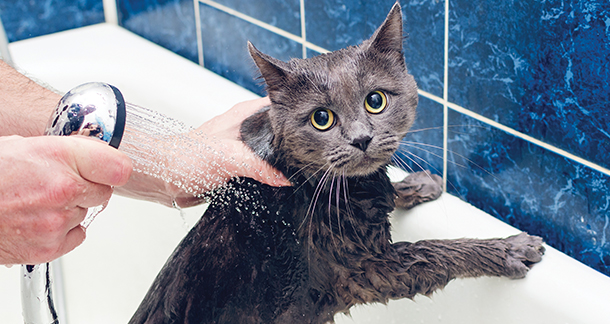
Pets rely on proper hydration to maintain their health during hot weather. Ensure your pets have access to clean, cool water at all times. Consider adding ice cubes to their water bowls to keep them cool throughout the day.
Limit Outdoor Activities
Walk dogs early in the morning or late in the evening to avoid the hottest part of the day. Do the same for necessary playtime activities. Always carry a cool water bottle for your pet during walks. A towel that you can wet and use to wipe your pet is also useful.
Mind the Pavement
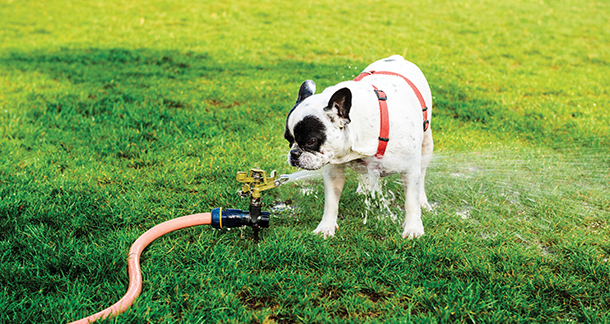
When the sun is beating down, pavements and sidewalks can become scorching hot. Always check with the back of your hand. If it’s too hot to comfortably touch, it’s too hot for your pet’s paws. Opt for grassy areas or invest in protective pet booties for your dogs.
Avoid Locked Cars
Never leave your pets locked inside a car. It’s always best to leave your pet at home in a cool, safe environment.
Grooming and Coat Care
Regular grooming and appropriate coat care are essential for helping your pet stay cool during hot weather. Brush your pet daily to remove excess fur and floating hair, and trim them as required.
Be Mindful of Breeds and Ages
Certain breeds, particularly those with shorter noses such as pugs and bulldogs, as well as flat-faced Persian cats, are more susceptible to heat-related issues. Similarly, elderly pets or those with pre-existing health conditions may be more vulnerable. Take extra precautions with these pets during hot summers.
Recognise Signs of Heatstroke
Heatstroke can be life-threatening, so look out for these signs:
- Excessive panting
- Unusual breathing noises such as wheezing or raspy breathing
- Rapid heartbeat
- Lethargy or behavioral changes
- Stumbling or unusual weakness
- Blue/grey tinge to gums or tongue – check your pet’s tongue and gums for discolouration
Immediate Action for Heatstroke:
- Contact your vet and prepare to take your pet to the veterinary clinic or hospital right away.
- Move your pet to a shaded or cool space.
- Offer water in small amounts to hydrate your pet.
- Cool them down by wetting a towel with cool (not very cold) water and placing it near your pet.
Consider Cooling Products
There are various products available that can aid in keeping pets cool, such as cooling mats for pets. You can also use a humidifier in your rooms, keep the curtains closed during the hot daytime, and use fans, air conditioners, and coolers. However, ensure not to leave your pets unsupervised with air conditioners and coolers.
Remember, our pets rely on us to keep them safe and healthy. By implementing these crucial tips, we can protect them from the dangers of heat waves and ensure their well-being during the hotter months.