

Whether you own a dog, cat, or any other pet as your companion, you ought to know that they are completely dependent on their non-verbal cues for communicating. This is why many of them have learnt to hide their pain as a natural survival instinct. However, this behaviour can cause serious issues if owners keep overlooking it. With pet ownership rising in India, such concerns are rising, for which pet parents are addressing it and seeking solutions. These are some things that pet parents should keep in mind to identify their pain:
Recognising the Hidden Pain in Pets
Pets are masters at hiding their pain and problems, as it is a part of their natural instinct. You can notice an injury but when it comes to chronic pain or any kind of discomfort, it will reflect in their behaviour. They may become less active than usual or can show less interest in their favourite toy or food. Irritation is also one of the major signs and enough to signal something amiss.
If we talk about dogs, for instance, they are normally playful, but they might start avoiding interactions, or a cat might hide more frequently. Owners mostly misinterpret such behaviours as mood swings, but the actual cause should be identified as soon as possible.
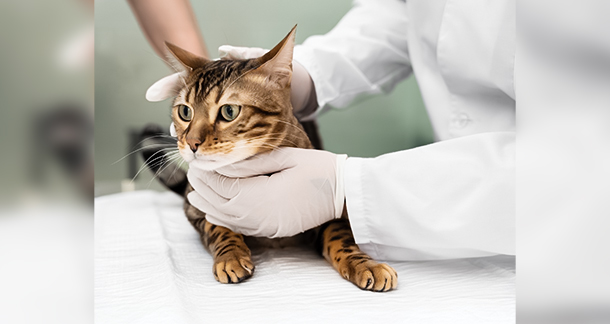
Common Signs and Symptoms of Pain
You should be careful and attentive enough to identify symptoms of pain. Behavioural changes are common in pets who are suffering from something internally. These are some of the indicators:
- They do not want to take part in their regular activities as they normally do.
- They lose their appetite or can show changing eating patterns.
- More whining and yelping, suggesting discomfort.
- Unusual tiredness and less interest in everything.
- Normal and gentle pets might become aggressive.
The following table summarises common signs of pain observed in pets:
|
Symptom |
Possible Indication |
|
Reduced activity |
Chronic discomfort, joint pain, or general malaise |
|
Change in eating habits |
Oral pain, digestive issues, or systemic illness |
|
Increased vocalisation |
Acute pain or distress |
|
Lethargy |
Underlying chronic conditions or energy depletion |
|
Behavioural changes |
Anxiety, depression, or response to ongoing discomfort |
|
Altered grooming patterns |
Pain-induced stress or discomfort in specific areas (e.g., paws) |
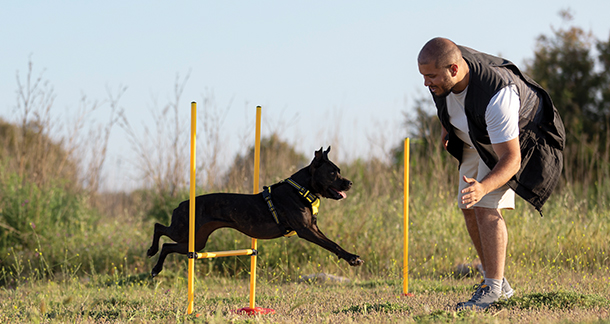
Understanding the Impact of Chronic Pain
Chronic pain in pets can have far-reaching consequences. Untreated ones not only affect a pet’s quality of life but can also decrease their mobility and make them gain or lose fat. Pets suffering from chronic pain are more prone to having stress-related disorders, which can make the situation more complicated. That is why owners should be proactive in such cases rather than waiting for more severe symptoms to occur.
Practical Strategies for Managing Pet Pain
After suspecting the pain, one can follow these steps to manage and fix the issue:
Regular Veterinary Check-ups:
Routine visits are becoming more and more important along with the increased complexity. This helps detect pain or related conditions early. Regular examination can help identify subtle behaviour changes or physical conditions.
Environmental Modifications:
You have to adjust your pet’s living environment if you want them to be more comfortable and control their stress better. You can give them soft bedding and ramps for easily accessing their spots and make sure that the entire home has no obstacles.
Diet and Nutrition:
A balanced diet helps in overall health and can also help manage chronic pain. Omega-3 fatty acids and other such supplements have anti-inflammatory properties that can help control pain and improve mobility.
Exercise and Physical Therapy:
Exercise always remains a critical part of their healthy lifestyle, even in moderation. A tailored plan or physical therapy can help maintain muscle strength and joint flexibility. Many times, professional physical therapy can alleviate pain.
Medications and Alternatives:
It mainly depends on how severe the pain is, as veterinarians may prescribe medications such as non-steroidal anti-inflammatory drugs (NSAIDs). Moreover, they may also recommend acupuncture-like therapies. So, always follow professional advice, as many times operating manually may worsen the case.

The Role of the Pet Owner
Pet owners should understand that not every behavioural change is a mood swing. You cannot identify everything visually, as not every symptom is visible. So, you have to be more attentive and proactive while observing changes in lifestyle or activity levels. Moreover, education is required to apply the right practices whenever it is required. Visiting veterinarians regularly should become a norm with time, which plays a crucial role in identifying early signs or something.
Petcare has become so prominent in India, where many pet parents are looking for resources, community forums and groups. This helps share experience and learning from others’ mistakes so that a pet’s life can be improved without so much hassle.
Conclusion
So, it is clear that we need to understand and address the pain our pets are suffering from. We discussed symptoms and strategies we can follow to make our pet’s life better. This situation encourages pet parents to be more proactive and careful towards their pet. That also makes visiting the vet regularly so important that we already discussed why. Moreover, groups and online communities are playing a major role in making owners’ lives easier, as they can learn from others’ experiences and apply the same. This approach reduces the trial-and-error part in most of the cases. Still, one should not hesitate to visit the vet if they are finding it difficult to address any issue manually.