

Pet loss is often described as “just like” losing a family member. But for many pet parents, that comparison doesn’t quite capture the depth of the grief.
The truth is more uncomfortable and more honest: losing a pet can be different from losing a person—and in some ways, it can feel even harder.
This doesn’t diminish human loss. It simply acknowledges a reality that millions of pet parents experience but struggle to voice without fear of judgment.
- A Love Without Language—but Also Without Conditions
Human relationships are layered with complexity. They carry expectations, disagreements, misunderstandings, unresolved conversations, and emotional negotiations. Even in the healthiest bonds, love is rarely uncomplicated.
A pet’s love, however, is disarmingly simple.
They do not judge your bad days, your failures, your silence, or your moods. They don’t need explanations or apologies in words. They love you on the days you are confident and on the days you are barely holding it together. That kind of unconditional presence is rare in adult human relationships—and when it disappears, the absence can feel seismic.
When a pet dies, pet parents aren’t just grieving an animal. They’re grieving a relationship where they were accepted exactly as they were, every single day.
- They Were Woven Into the Fabric of Daily Life
Pets are not occasional figures in our lives. They are part of our routines in an intimate, almost invisible way.
They wake us up. They wait by the door. They follow us from room to room. They mark time—meals, walks, bedtime, weekends.
When a person passes away, routines often change, but not always at this micro level. With pet loss, the silence is everywhere. The empty bowl. The unused leash. The spot on the bed that no longer dips. Grief is triggered not by anniversaries or memories alone, but by every hour of the day.
The world keeps reminding you that someone is missing—and that reminder doesn’t politely fade.
- You Were Their Entire World
One of the most painful aspects of pet loss is the asymmetry of the relationship.
Your pet didn’t just love you. You were their constant. Their home. Their safety. Their whole universe.
That responsibility creates a profound bond—and a profound sense of loss. Many pet parents carry a heavy, lingering guilt: Did I do enough? Did I miss something? Should I have noticed earlier? Did they know how much I loved them?
In human loss, responsibility is shared and diffused. In pet loss, the caregiver role is central—and when the pet dies, that role ends abruptly, leaving behind a vacuum filled with self-questioning.
- Grief That Isn’t Socially Validated
Perhaps what makes pet loss hardest isn’t just the loss itself—but how society responds to it.
“Well, it was just a dog.” “He is in a better place” “You can always get another one.” “At least it wasn’t a person.”
These comments, often meant to comfort, do the opposite. They invalidate the grief and isolate the grieving person. Unlike human loss, pet loss rarely comes with rituals, leave from work, casseroles at the door, or collective mourning.
Pet parents are often expected to “move on” quickly, quietly, and without much fuss. This creates disenfranchised grief—a grief that is real but not socially acknowledged. And grief that isn’t allowed to be expressed doesn’t disappear; it just goes underground.
- Pets See Parts of Us No One Else Does
Pets are witnesses to our most unguarded selves.
They see us cry when we don’t tell anyone why. They sit beside us during illness, heartbreak, anxiety, silence and loneliness. They accompany us through phases of life others may never see.
For people who live alone, struggle with mental health, or feel emotionally disconnected from others, a pet may be the primary source of comfort and stability. Losing that presence can feel like losing an anchor.
In some cases, the pet was not like a support system—it was the support system.
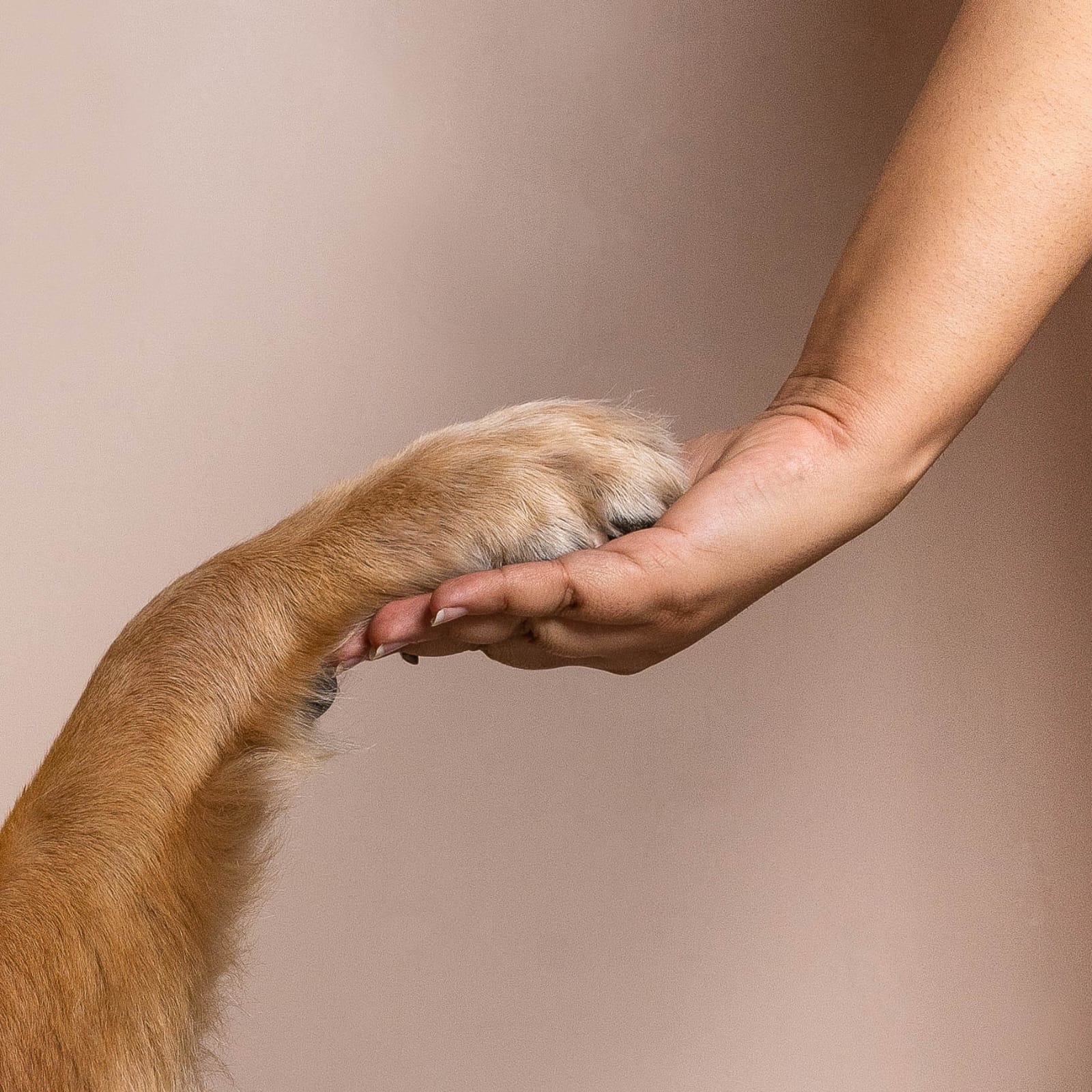
- There Is No “Replacement” for a Relationship Like This
One of the cruelest myths around pet loss is the idea of replacement.
You cannot replace a relationship built on years of shared moments, quirks, routines, and silent understanding.
A new pet may one day bring joy—but that does not erase the bond that existed before. Grief doesn’t mean you loved too much. It means you loved deeply.
And deep love leaves deep marks.
- Allowing Pet Grief to Be What It Is
Pet loss grief is real, complex, and worthy of compassion. It doesn’t need comparison or justification. It doesn’t need to be ranked against other losses.
For pet parents, grief isn’t about “an animal.” It’s about the loss of companionship, routine, identity, responsibility, and unconditional love—all at once.
If you are grieving a pet, your pain is valid. If the world doesn’t understand it, that does not make it smaller.
It is the natural consequence of loving fully—and being loved back in the purest way possible.
And that kind of love, once experienced, changes us forever. And I’m grateful for that.
Author’s note: On August 16, 2025, I lost my senior dog, Buzoo, after he put up a brave fight against oral melanoma— one of the most common, highly malignant tumour in dogs, characterized by aggressive local invasion and a high rate of metastasis to the lungs and lymph nodes & sadly, it isn’t 100% curative even with treatment.
We had adopted him on 7th March 2016, when he was three years old. He lived to be 12 years and four months old, and from the moment he came home, he was family—truly loved, deeply cherished, and held at the centre of our everyday lives.
ABOUT THE AUTHOR
Ragini Bhandari is a Certified Dog Trainer, Canine Behaviourist, Pet Baker and the founder of Just Pawsible, offering personalised, force-free training for dogs of all ages.