

At present, Bird keeping is growing as a prominent hobby in India, especially in urban households. The longing for companionship, aesthetically pleasing visuals of a bird, and the deep sense of relaxation that they provide are factors that are increasing the number of birds as pets in India. An added advantage is that birds are considered to be far more low maintenance than other creatures, specially in comparison to dogs and cats. All these aspects are significantly contributing to the modern – day popularity of birds in India.
Common Pet Birds in India
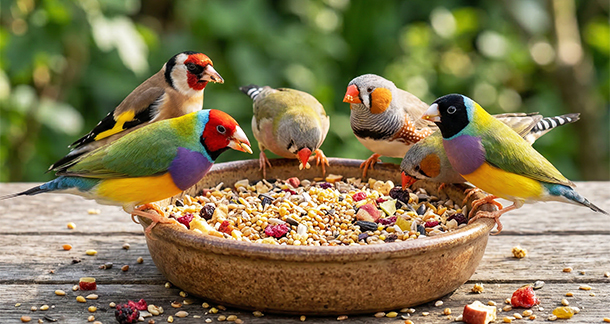
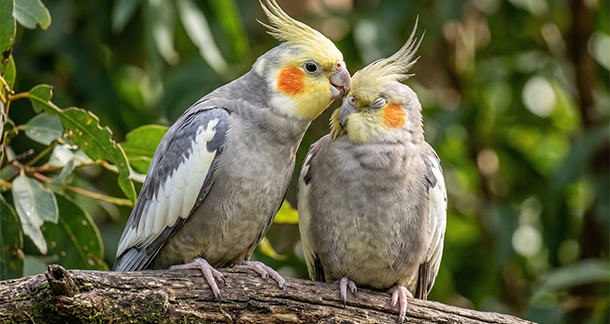
Popular species as pets range from budgerigars (budgies), cockatiels, lovebirds, finches, canaries, and pigeons. They are well received and cared for as they adapt well to smaller caged spaces and are relatively easier to maintain. It is essential as a bird owner to hone your research and get a bird that fits in accordance with your home style. Given that majority of the hours would be subjected to a cage, it is always important to check the bird’s adaptability in that setting and ensure that they get a comfortable space to live in.
Legal Regulations
It is illegal to capture, trade, or keep most of the native Indian birds as pets under the Wildlife Protection Act, 1972. Only exotic bird species (non-native species such as budgies, cockatiels, and macaws) are legally allowed. Owners of exotic birds must comply with government registration requirements prior to getting a bird to ensure a smooth transition from the beginning and avoiding any legal consequences.
Housing and Cage Requirements
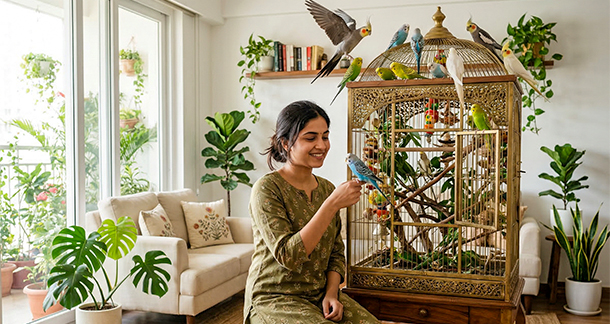
Birds operate on the core of freedom and play. It is essential to keep them in cages that allow them to spread their wings and move freely. Instead of keeping them away from their natural habitat, add more space and freedom for movement and expression for your bird to thrive. In this way, they get a stable home as well as their natural desire to wander. Always opt for larger cages that provide more than enough breathing space for them to function at their best. Cages should be placed in well-ventilated areas with adequate light but away from extreme heat or cold. Additionally, Perches, nesting boxes, and toys should be provided to keep birds active. Keep their space as engaging as possible.
Proper Nutrition
For a healthy bird, balanced diet is essential. Diet typically includes seeds, grains, fruits, vegetables, and specially formulated bird pellets. Clean drinking water should be available with them at all times for hydration. As you spend more time with your bird, you become aware of their hunger cues and habits. It is important to work in accordance with their circadian rhythm.
Hygiene and Health Care
Cages should be cleaned at regular intervals to prevent diseases. Birds require periodic veterinary care from avian specialists. Proper hygiene helps prevent infections and parasites. Ensuring a cleaning routine is ideal for their health.
Social and Behavioral Needs
Many birds are social animals and may require companionship or interaction with owners. Toys and enrichment activities help prevent boredom and stress. Some species need daily interaction and mental stimulation.
In a Nutshell
In India, there is still a lot to learn about the wonders of bird care. As pet parents, it is essential to be armed with the tools and resources to take care of their needs. This comes from taking proactive steps in learning about birds consistently.