
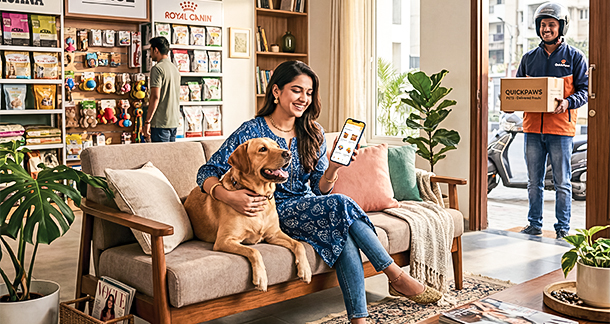
In the last 10 years, the Indian pet retail segment has transitioned from a peripheral sector to a formidable economic powerhouse, reflecting a fundamental shift in the mindset of pet parents. At present, pets are no longer functional beings, but important members of the household. Along with that, a substantial growth in nuclear families, urban households, and premiumization trends, has amplified the purchasing power of pet parents for the well- being of their pets.
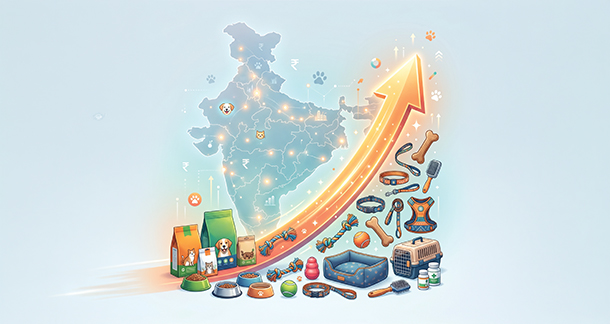
The omnichannel retail brands- Just Dogs, Heads Up for Tails, and Supertails have raised a combined investment of about $137 million. These stores are spread out across different cities in the Indian subcontinent. Rapid expansion and strategic shifts towards premiumization and digital-first distribution models are accelerating the Industry towards a projected valuation of USD 9.48 billion by 2030-31, up from USD 4.83 billion in 2024–25. This growth trajectory reflects a robust Compound Annual Growth Rate (CAGR) of 12.52% over the 2025–31 forecast period.
The Hierarchy of Sales Channels (2024-2025)
As of the 2024-25 fiscal year, the retail landscape remains anchored by specialized formats, though the hierarchy is beginning to flatten as digital accessibility improves. The 2024-25 market values by sales channel are:
- Pet General Stores: USD 2,183.48 Million
- Clinics: USD 1,299.20 Million
- Online Platforms (including Quick Commerce): USD 934.51 Million
- Hypermarkets/Supermarkets: USD 418.92 Million
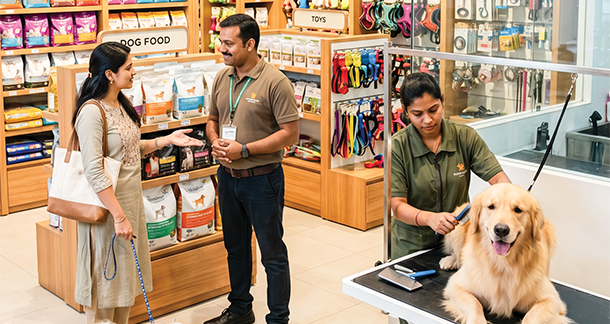
Pet General Stores currently dominate because they have transitioned into organized pet retail ecosystems. By bundling products with high-margin services such as grooming, veterinary consultations, and premium nutrition under one roof, these stores provide a one-stop convenience model that high-street general trade cannot replicate.
Current Landscape of Quick Commerce and Brick and Mortar Stores
The Online channel is becoming the industry’s primary growth engine. The rapid penetration of e-commerce and high-speed quick-commerce platforms has drastically lowered the barriers to discovery and fulfillment for specialized pet care Stock Keeping Units (SKUs). In the Indian Society, consumer reliance on quick commerce platforms for rapid delivery within 15 minutes is increasing. Over the last two years, this has grown further. Habits like weekend shopping and meal prepping are being replaced by quick online orders owing to the fast paced lifestyles. At the same time, brick and mortar pet stores are working towards innovating with services like grooming, vet services etc. They are working to make education the framework for pet parents.
A major gap that quick commerce and e-commerce have bridged in the market, is greater access to pet care products in Tier 2 and Tier 3 cities, where there is a significant lack of stores, vets, or speciality products. This has reduced the entry barriers to pet care in these cities.
While, both brick-and-motar and quick commerce are rising, there are certain challenges that lie for brick- and-mortar stores ahead. As quick commerce is acquiring at a rapid pace at the cost of cutting margins, brick- and-mortar stores cannot cut their margins in that scale. This is giving quick commerce a substantial edge in the market.
To ensure brick-and-mortar stay relevant and expand in the future, Pet Retailers Association of India (PRAI ), Karnataka Pet Shop Association, and Tamil Nadu Pet Shop Owners Welfare Association, are bringing a community first approach to pet care. Brick-and-mortar stores offer invaluable interaction between pet parents and experts, who guide them to make informed choices for their pets.
Comparative Analysis: 2024-25 vs. 20-31 Forecast
By the end of the decade, the competitive landscape is expected to undergo a significant change. In particular, online platforms are likely to surpass clinical channels and emerge as the second-largest sales channel in the country.
|
Sales Channel |
2024-25 Value (USD Million) |
2030-31 Forecast Value (USD Million) |
|
Pet General Store |
2,183.48 |
4,026.61 |
|
Online Platforms |
934.51 |
2,320.04 |
|
Clinics |
1,299.20 |
2,018.12 |
|
Hypermarket/Supermarket |
418.92 |
831.13 |
This projection indicates that the market is becoming more organized, led by the rise of retail chains and integrated mobile apps. At the same time, growth is no longer limited to pet food, clinics and stores are expanding into additional revenue streams like pet insurance, training, and professional boarding services.
Demographic wise Preferences
Gen x – The CPI Budget on Pet Care is highest among Gen x in India. Belonging from the pre- internet days and trusting stable and reliable products along with in person interactions to make learning a priority, Gen X prefer brick and mortar stores. They long for the comfort and surity of brick and mortar stores.
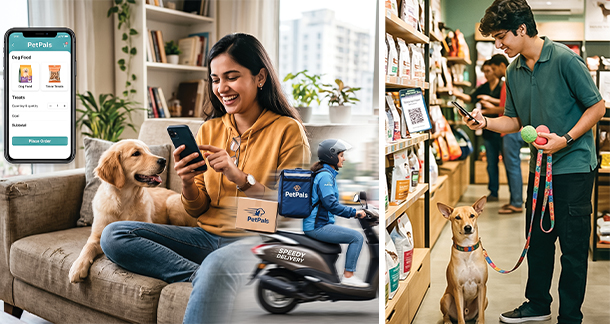
Millenials– Urban households with lack of time, millenials heavily rely on quick commerce for their pet care needs. Due to their on-the-go lifestyles, they prefer this model more, where they can save time by going for quick online purchases.
Gen z– Striking a balance between the two, gen z prefer in store visits for consultation, grooming, and vet services along with having the safety net of opting out for quick delivery from quick commerce. Though, least earning among all demographics, but rapidly growing. Gen z are nuanced in their approach and believe in work- life balance. This mindset is replicated in their consumer habits, blending in personal visits to store and having days where quick commerce is a more viable option.
In a Nutshell
While Retail system still remains the largest, quick commerce is growing rapidly. With certain impositions on the brick and mortar system, the retail front is putting greater efforts in offering bundled services and in person consultations. Quick commerce too, is serving the need by allowing greater accessibility to pet care across India.
The future generations do not have a go- to choice but different preferences at different times. With this nuanced framework,convenience,timely delivery, quality and range of services, and putting forth better tools for pet care in the market are laying down the ground work for the future of the market.