
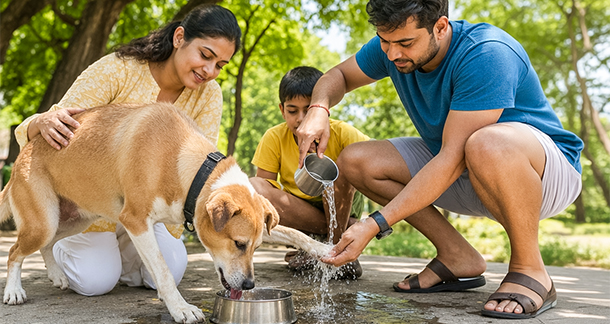
Heatwaves have become increasingly common in recent years due to climate change and rising global temperatures. While many people are aware of the dangers that extreme heat poses to humans, fewer realize how severely it can affect animals, especially dogs. Dogs are loyal companions and beloved family members, but they are highly vulnerable to hot weather and require extra care during heatwaves to stay healthy and safe.
Unlike humans, dogs cannot cool themselves by sweating through most of their skin. They primarily regulate their body temperature through panting and by releasing heat through their paw pads. During a heatwave, however, these natural cooling methods may not be sufficient. As temperatures rise, dogs can quickly become overheated, leading to dehydration, heat exhaustion, or even heatstroke. Heatstroke is a serious medical emergency that can cause organ damage and may prove fatal if not treated immediately.
There are several warning signs that indicate a dog may be suffering from heat-related illness. Excessive panting, drooling, bright red gums, rapid heartbeat, weakness, vomiting, diarrhea, and difficulty walking are some common symptoms. In severe cases, a dog may collapse, become unconscious, or experience seizures. Pet owners should seek veterinary assistance as soon as possible if these symptoms appear.
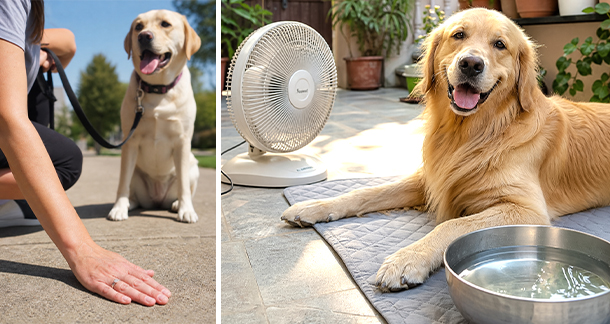
To protect dogs during a heatwave, owners must take preventive measures. Fresh, clean drinking water should always be available, and dogs should have access to cool, shaded, or air-conditioned areas. Outdoor activities should be limited during the hottest hours of the day. Walks and exercise sessions are best scheduled in the early morning or late evening when temperatures are lower. Owners should also be careful about hot pavements, sand, and asphalt, which can burn a dog’s sensitive paw pads. A simple test is to place the back of your hand on the ground for a few seconds; if it feels too hot for your hand, it is too hot for your dog.
Certain groups of dogs are particularly vulnerable to heat. Puppies and senior dogs have more difficulty regulating their body temperature. Overweight dogs are also at greater risk because excess body fat makes it harder for them to cool down. In addition, brachycephalic breeds such as Pugs, Bulldogs, Boxers, and Shih Tzus have shortened airways, making panting less effective and increasing their susceptibility to overheating.
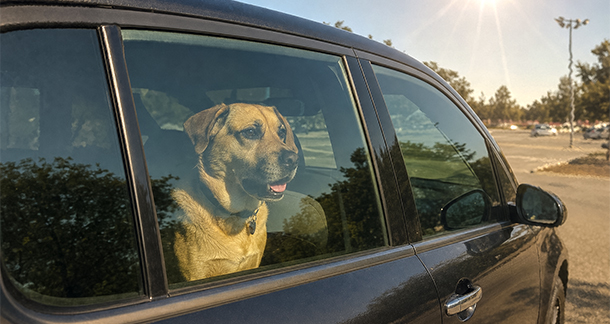
One of the most important safety rules during a heatwave is never to leave a dog inside a parked vehicle. Even on a moderately warm day, the temperature inside a car can rise dramatically within minutes, creating life-threatening conditions. Cracking a window open provides little protection and should never be relied upon.
Heatwaves can be challenging for both pets and their owners, but with proper awareness and care, the risks can be greatly reduced. By providing adequate water, shade, and protection from extreme temperatures, pet owners can help ensure that their dogs remain safe, comfortable, and healthy. As climate change continues to increase the frequency of heatwaves, responsible pet care becomes more important than ever in safeguarding the well-being of our canine companions.
By Aastha Shah