
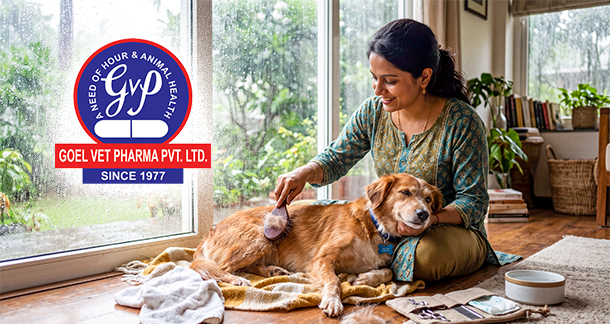
The monsoon season brings with it a refreshing change in the weather, lush green landscapes, and the joy of rain. However, for pet owners, it also marks the onset of a familiar phenomenon: Dog Hair Shedding in their beloved dogs. As the rain pours and the humidity rises, many pet owners find themselves grappling with excessive hair loss and the constant presence of fur around their homes.
Dog Hair Shedding is a natural and necessary process for dogs. It allows them to adapt to the changing seasons by regulating their body temperature and maintaining a healthy coat. However, the monsoon season tends to intensify the shedding process, leaving pet owners wondering about the causes and ways to manage this seemingly endless cycle of fur.
Understanding the factors that contribute to hair shedding during the monsoon is essential for pet owners. By gaining insights into this natural process and implementing appropriate strategies, we can ensure our furry friends remain comfortable and healthy throughout the season. In this article, we will explore the reasons behind hair shedding in dogs and cats during the monsoon season and provide practical tips to manage and minimize its impact. So, let’s delve into the fascinating world of fur and discover how to navigate through the challenges of hair shedding during the rainy season.
The Hair Growth Cycle in Animals:
Before we delve into the specifics of hair shedding, it’s important to understand the natural hair growth cycle in animals. The hair growth cycle consists of three phases:
- Anagen (Growth Phase): Hair actively grows from the hair follicles during this phase, which can last for several months to years, depending on the species.
- Catagen (Transition Phase):In this short phase, hair growth slows down, and the hair follicles start to prepare for the next phase.
- Telogen (Resting Phase): Hair is in a resting phase where it is no longer growing and eventually sheds to make way for new hair growth.
Common Causes of Hair Shedding in Animals:
Several factors contribute to Dog Hair Shedding. While some shedding is normal, excessive or abnormal shedding may indicate an underlying issue. Here are common causes of hair shedding:
- Seasonal hair loss:Many animals, particularly those with double coats, undergo seasonal shedding. They shed their thicker winter coat to make way for a lighter summer coat. Seasonal shedding is more noticeable in spring and fall.
- Hormonal Changes:Hormonal changes, such as those that occur during pregnancy, lactation, or puberty, can trigger hair shedding in animals. Hormonal imbalances or disorders may also lead to abnormal shedding.
- Nutritional Deficiencies:A poor diet lacking essential nutrients, particularly proteins, fatty acids, and vitamins, can affect the health of an animal’s skin and coat, leading to excessive shedding.
- Stress and Anxiety:Stressful situations, changes in the environment, or anxiety can cause animals to shed more hair. This is commonly seen in pets during periods of separation anxiety or when introduced to new environments.
- Medical Conditions:Certain medical conditions, such as allergies, infections, parasites (fleas, ticks, mites), hormonal disorders (hypothyroidism, Cushing’s disease), or skin diseases, can cause abnormal hair shedding.
As the monsoon season arrives, many pet owners notice an increase in their animals’ hair shedding. While this phenomenon may seem concerning, it is actually a natural response to environmental changes. The monsoon season brings with it changes in temperature, humidity, and rainfall, which can impact an animal’s coat. Here’s how these factors contribute to hair shedding.
Temperature Regulation: Animals, especially those with thicker coats, naturally shed excess hair to adapt to the warmer and more humid conditions of the monsoon season. Shedding helps them maintain optimal body temperature and prevent overheating.
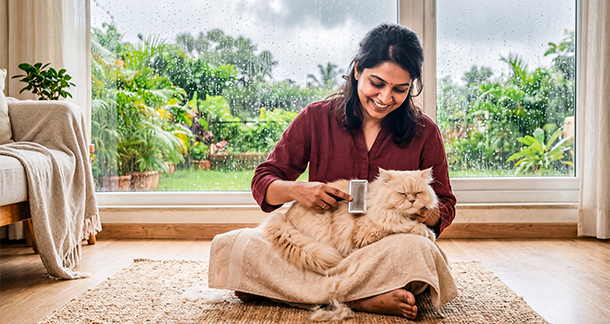
Moisture and Humidity: Increased humidity during the monsoon can affect the health of an animal’s skin and coat. Excess moisture can lead to fungal or bacterial infections, causing itching and subsequent shedding.
Rainfall and External Factors: Rainfall can introduce environmental contaminants and allergens into an animal’s coat, triggering itching and shedding. Wet fur also becomes more prone to tangling and matting, leading to increased shedding during grooming.
Breeds Prone to hair loss During Monsoon Season:
Certain Dogs breeds are more prone to hair loss during the monsoon season due to their coat characteristics. These include:
Double-Coated Breeds: Breeds like Siberian Huskies, Alaskan Malamutes, and Golden Retrievers have a dense undercoat beneath their topcoat. They shed their undercoat during the monsoon to facilitate better airflow and regulate body temperature.
Long-Haired Breeds: Long-haired breeds, such as Afghan Hounds or Collies, may experience increased shedding as their coats become more susceptible to tangling and matting due to the rainy weather.
While all cats experience some level of shedding, certain breeds are more prone to shedding during the monsoon season due to their coat characteristics. These may include long-haired breeds like Persians, Maine Coons, or Ragdolls, which have more hair to shed and require extra grooming care during this time.
Tips to Manage and Minimize Dog Hair Shedding in Monsoon Season:
- Regular Grooming:Increase the frequency of grooming sessions during the monsoon season. Regular brushing helps remove loose and dead hair, preventing matting and tangling. Use appropriate grooming tools recommended for your pet’s coat type.
- Bathing and Drying:Maintain a regular bathing routine to keep your pet’s coat clean and free from fungal or bacterial infections. Ensure thorough drying after each bath to prevent moisture accumulation, which can lead to skin issues and shedding.
- Moisture Control:Minimize exposure to rain and moisture, especially for breeds prone to tangling. Use raincoats or provide shelter to protect your pet from excessive rainfall and prevent wet fur-related issues.
- Healthy Diet and Supplements:Ensure your pet receives a balanced and nutritious diet rich in essential fatty acids, vitamins, and minerals. Consult with your veterinarian to determine if specific supplements, such as omega-3 fatty acids, can help maintain a healthy coat.
- Skin and Coat Care:Regularly check your pet’s skin for signs of irritation or infection. Use veterinarian-recommended products to maintain a healthy skin barrier and address any skin conditions promptly.
- Environmental Enrichment: Engage your pet in stimulating indoor activities during heavy rainfall to minimize stress and anxiety. Mental stimulation and physical exercise can help divert their focus from shedding-related discomfort.
Tips to Manage and Minimize Shedding in Cats in Monsoon Season:
- Regular Grooming:Increase the frequency of grooming sessions during the monsoon season. Regular brushing helps remove loose and dead hair, preventing matting and tangling. Use a suitable cat brush or comb recommended for your cat’s coat type.
- Bathing and Drying:Cats generally groom themselves, and excessive bathing is not required. However, if your cat gets excessively dirty or encounters skin issues, consult with your veterinarian about the appropriate bathing routine. Ensure thorough drying after bathing to prevent moisture-related skin problems.
- Moisture Control:Create a dry and comfortable indoor environment for your cat during heavy rainfall. Provide shelter and limit outdoor access to minimize exposure to rain and moisture, which can exacerbate shedding and lead to skin problems.
- Diet and Nutrition:Ensure your cat receives a balanced and high-quality diet. Proper nutrition plays a vital role in maintaining a healthy coat. Consult with your veterinarian to ensure your cat’s diet meets its nutritional needs, including essential fatty acids.
- Skin and Coat Care:Regularly check your cat’s skin for any signs of irritation, redness, or inflammation. Address any skin issues promptly with veterinarian-recommended products to maintain a healthy skin barrier and reduce shedding.
Environmental Enrichment: Engage your cat in interactive play and provide stimulating toys to keep them mentally and physically active during rainy days. This helps divert their focus from during rainy days. This helps divert their focus from shedding-related discomfort and minimizes stress.