
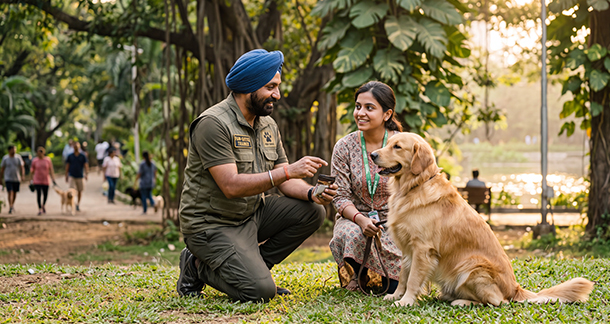
When people think of preventive care for dogs, vaccinations, deworming and grooming are usually the first things that come to mind. While these are undoubtedly important, preventive care goes far beyond veterinary visits. As a certified dog trainer and canine behaviourist, I believe that preventing physical discomfort, emotional stress and behavioural problems is far kinder than trying to fix them after they have developed.
The goal of preventive care is simple: help your dog live a healthy, fulfilling and low-stress life by meeting their physical, emotional, mental and natural needs every single day.
- Health Comes First
Behaviour and health are deeply connected.
A dog that suddenly becomes irritable, withdrawn, reactive or reluctant to participate in training is not “stubborn” or “dominant”—they are mostly likely to be in pain.
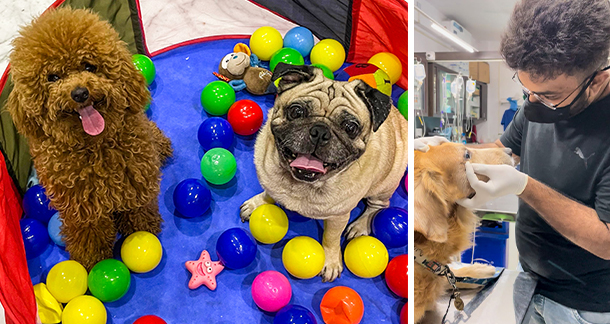
One of the most valuable preventive measures is scheduling annual health check-ups, including routine blood work. Many medical conditions, such as thyroid disorders, kidney disease, liver disease or nutritional deficiencies, can develop gradually without obvious symptoms.
Senior dogs often benefit from more frequent health screenings, as age-related conditions can progress quickly.
Additional wellness screening tests may include chest or abdominal radiographs (X-rays) to assess the size and appearance of the internal organs (such as the heart, lungs, kidneys, and liver), or radiographs of the skeletal system to look for degenerative changes in the bones or joints.
Early detection and treatment is often less costly than waiting until a disease or problem becomes advanced enough to significantly affect your dog’s quality of life.
- The Gut: The Second Brain
The digestive system is often referred to as the body’s “second brain,” and for good reason. A healthy gut supports immunity, digestion, nutrient absorption and even influences mood and behaviour.
Feeding a species-appropriate, balanced diet provides your dog with the nutrients they need to thrive. Every dog is an individual, so nutritional requirements vary depending on age, breed, activity level and medical conditions. Working alongside your veterinarian or a qualified canine nutritionist can help you make informed dietary choices.
A healthy gut often contributes to a happier mind.
- Manage the Environment Before Problems Develop
One of the most underrated aspects of preventive care is management.
Management means setting your dog up for success by modifying the environment rather than constantly correcting behaviour.
For senior dogs, simple adjustments can significantly improve comfort and reduce the risk of injury:
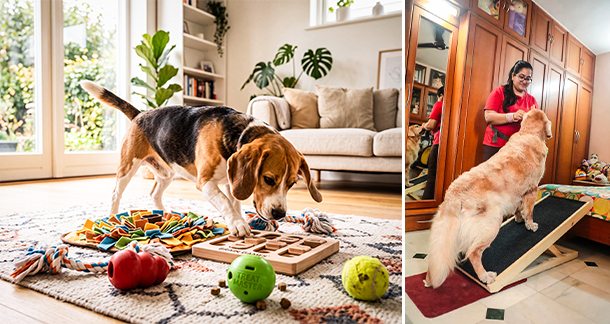
– Provide a supportive orthopaedic bed to reduce pressure on ageing joints.
– Place anti-skid rugs or mats on slippery flooring to improve stability.
– Prevent repeated jumping on and off high furniture if mobility is declining.
– Use ramps / pet stairs where appropriate.
– Avoid encouraging zoomies or high-speed chasing games on tiled or polished floors, where slipping can cause muscle injuries or worsen arthritis.
These small changes help preserve mobility and confidence as dogs age.
Management is equally valuable for puppies. Baby gates, crates, playpens and tethers are not punishments—they are tools that prevent undesired behaviours from becoming habits while keeping puppies safe.
- Behaviour Prevention Starts Early
Many behaviour problems begin unintentionally through everyday interactions.
One of the most common examples is resource guarding.
Resource guarding occurs when a dog feels the need to protect something they value, such as food, toys, resting places or stolen objects, because they fear losing access to them. Dogs may freeze, stiffen, growl, snap or bite if someone approaches.
Contrary to popular belief, resource guarding is not a sign of dominance.
Golden Retrievers provide a perfect example.
Retrievers were selectively bred to carry birds gently in their mouths and enjoy holding objects. Puppies naturally explore the world by picking things up.
- Understand the Dog in Front of You
Every breed was originally developed for a purpose. Border Collies were bred to herd livestock. Beagles were bred to follow scent trails. Golden Retrievers were bred to retrieve game. Siberian Huskies were bred to pull sleds over long distances. These instincts don’t disappear simply because a dog becomes a family pet. Preventive behavioural care means understanding what your dog’s genetics are asking them to do and providing healthy outlets for those natural behaviours. A Beagle who spends time using their nose is often far more fulfilled than one who only goes on long walks.
A Retriever who enjoys carrying toys, retrieving safely and engaging in scent games is more likely to have their emotional needs met.
When we understand the “why” behind behaviour, we stop viewing our dogs as disobedient, misbehaving and start seeing them as dogs simply expressing their instincts.
- Enrichment Is Not Optional
Physical exercise alone is not enough.
Dogs also need opportunities to sniff, forage, chew, lick, solve problems and make choices. Enrichment reduces frustration, builds confidence and provides healthy outlets for natural behaviours. Simple activities such as scatter feeding, food puzzles, decompression walks, diy problem solving activities and chewing appropriate items can greatly improve emotional well-being.
- Training Is Preventive Care
Force free Training should not begin only after a problem appears. The most valuable behaviours aren’t flashy tricks, they’re life skills. Teaching behaviours like recall (coming when called), spending short periods alone, drop it, accepting gentle body handling, emergency u turn on walks, settling on a mat / bed, loose-lead walking, taking medication willingly, appropriate play with people, other dogs and comfortable veterinary – grooming handling makes everyday life easier while reducing stress for both dogs and their families.
Training also strengthens communication. The better we understand our dogs, the fewer conflicts we create.
- Prevention Is an Investment
Preventive care isn’t about doing one big thing, it’s about consistently doing many small things well.
Annual blood work. A nutritious diet. Pain management. Safe flooring. Comfortable bedding. Understanding breed-specific needs. Meeting emotional needs through enrichment. Building trust instead of conflict. Teaching skills before they’re urgently needed. When we focus on prevention rather than correction, we don’t just reduce behavioural problems, we improve our dogs’ overall quality of life. The best behaviour modification plan is often the one you never need because thoughtful preventive care laid the foundation from the very beginning.
About the Author : Ragini Bhandari is a Certified Dog Trainer, Canine Behaviourist, Pet Baker, and the founder of Just Pawsible. She offers personalised, force-free, positive reinforcement training for dogs of all ages through in-person sessions in Surat, Silvassa, Vapi, Daman, and Dadra, as well as online consultations across India and internationally.