
By Shavika Gupta*
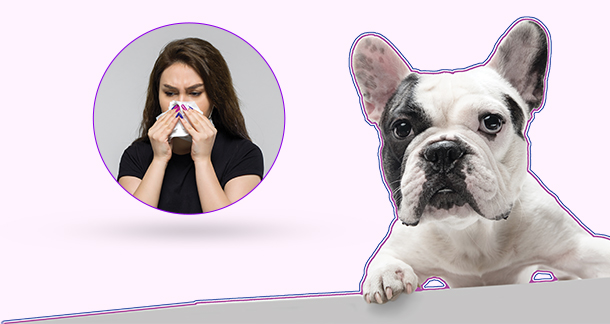
Our furry friends bring boundless joy into our lives, but let’s be honest: sometimes they also bring a less-than-pleasant odour along with them. From rolling in who-knows-what to simply having that “doggy smell,” dealing with odour issues in dogs is a common challenge for many pet owners. But fear not! With a few simple tips and tricks, you can combat those odours and keep your canine companion smelling fresh and clean.
Understanding the Source
Before diving into solutions, it’s essential to understand what causes those less-than-pleasant smells emanating from your pup. Several factors contribute to doggy odours, including:
- Skin and Coat: Dogs naturally produce oils that can accumulate on their skin and fur, leading to a characteristic “doggy” smell.
- Ear Infections: Ear infections are common in dogs and can result in foul-smelling discharge.
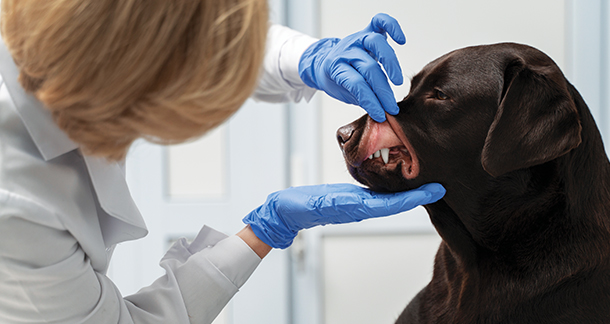
- Dental Issues: Poor oral hygiene can lead to bad breath, which can quickly permeate a room.
- Anal Glands: Issues with anal glands can cause a particularly pungent odour.
- Environmental Factors: Rolling in something foul or coming into contact with skunks can leave your dog smelling less than fresh.
Now that we know what we’re up against, let’s explore some strategies to combat these odours effectively
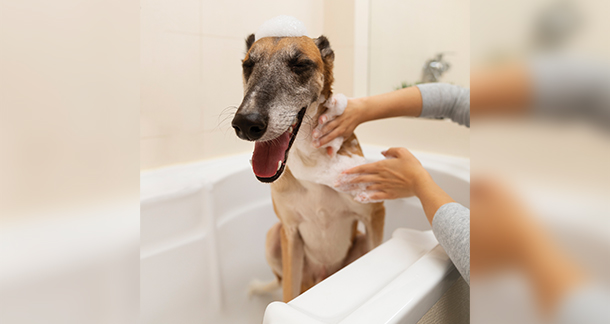
- Regular Baths: One of the most effective ways to combat odour in dogs is by giving them regular baths. Use a mild dog shampoo specifically formulated for their skin type, and be sure to rinse thoroughly to remove all traces of shampoo, which can sometimes irritate if left behind. Aim for bathing your dog once every 4-6 weeks, but adjust the frequency based on your dog’s individual needs and lifestyle.
- Proper Grooming: Regular grooming goes hand in hand with bathing to keep your dog smelling fresh. Brushing your dog’s coat helps to remove dirt, debris, and loose fur, preventing mats and tangles that can trap odour-causing bacteria. Additionally, don’t forget to trim your dog’s nails, clean their ears, and brush their teeth regularly to maintain overall hygiene and freshness.
- Choose the Right Diet: Believe it or not, your dog’s diet can have a significant impact on their body odour. Opt for high-quality dog food made from wholesome ingredients, and avoid foods with excessive fillers, artificial additives, and preservatives. Some dogs may also benefit from specialized diets designed to address specific odour issues, such as digestive sensitivities or skin conditions.
- Address Dental Health: Poor dental hygiene can contribute to bad breath in dogs, which can make their overall odour worse. Make sure to regularly brush your dog’s teeth using a dog-friendly toothpaste and toothbrush, and consider providing dental chews or toys designed to help clean their teeth and freshen their breath.
- Clean Their Living Environment: If your dog spends a lot of time indoors, it’s essential to keep their living environment clean to prevent odours from accumulating. Wash their bedding and toys regularly, vacuum floors and furniture where they spend time, and consider using air purifiers or deodorizers to help keep the air fresh.
- Address Underlying Health Issues: Sometimes, persistent odour problems in dogs can be a sign of an underlying health issue that needs to be addressed. If you’ve tried various grooming and hygiene measures but your dog’s odour persists or worsens, it’s essential to consult with your veterinarian to rule out any medical conditions that may be causing the problem.
Dealing with odour problems in dogs can be frustrating, but with the right approach, it’s entirely manageable. By incorporating regular bathing and grooming into your dog’s routine, choosing a healthy diet, addressing dental health, keeping their living environment clean, and addressing any underlying health issues, you can keep your furry friend smelling fresh and clean all year round. With a little love and care, you and your pooch can enjoy a stink-free existence together.