

Bone and joint health is one of the most critical, but frequently ignored aspects of a pet’s long-term wellbeing. Dogs and cats rely on healthy joints and strong bones for everything they do: running, climbing, jumping, playing, and even standing up comfortably. When joint or bone problems develop, they don’t just affect mobility , they impact a pet’s quality of life, behaviour, appetite, and mental health.
Joint disorders are among the top three chronic health issues in pets, especially dogs. Many of these conditions are progressive, meaning they worsen over time if not identified early and managed correctly. The good news? With awareness, early detection, preventive care, and appropriate treatment, many bone and joint problems can be slowed, managed, or even prevented.
This article covers:
- Breeds prone to bone and joint issues
- Common bone and joint disorders in pets
- Early signs pet parents should never ignore
- Preventive care strategies
- Medical and therapeutic treatment options
- Breeds Prone to Bone and Joint Issues
While bone and joint issues can affect any pet, hereditary factors are crucial in their development. Certain breeds are predisposed due to size, body structure, growth rate, and inherited conditions.
Large and Giant Dog Breeds (High Risk)
Large breeds grow rapidly and carry more body weight, placing continuous stress on joints.
Commonly affected breeds:
- Labrador Retriever
- Golden Retriever
- German Shepherd
- Rottweiler
- Great Dane
- Saint Bernard
- Mastiff
- Bernese Mountain Dog
Common conditions:
- Hip dysplasia
- Elbow dysplasia
- Osteoarthritis
- Cruciate ligament tears
Medium Dog Breeds (Moderate Risk)
Some medium-sized breeds are prone to breed-specific joint vulnerabilities.
Examples:
- Cocker Spaniel (elbow dysplasia, arthritis)
- Border Collie (hip dysplasia, ligament injuries)
- Bulldog (joint malformation due to body structure)
Small Dog Breeds (Often Underestimated Risk)
Small breeds may not show obvious mobility issues early, but joint problems are common.
Commonly affected breeds:
- Dachshund (intervertebral disc disease)
- Pomeranian
- Chihuahua
- Shih Tzu
- Yorkshire Terrier
Common conditions:
- Patellar luxation (slipping kneecap)
- Early-onset arthritis
- Hip dysplasia (yes, even in small dogs)
Cats: Yes, They Get Joint Issues Too
Joint disease in cats is underdiagnosed because cats hide pain extremely well.
Higher-risk cat breeds:
- Maine Coon
- Persian
- Scottish Fold (cartilage abnormalities)
Studies show that over 60% of cats above 6 years of age show signs of arthritis, even if they appear “normal.”

- Common Bone and Joint Issues in Pets
Understanding the most common disorders helps pet parents recognize problems early.
- Osteoarthritis (Degenerative Joint Disease)
The most common joint condition in pets.
What happens?
- Gradual breakdown of cartilage
- Bone-on-bone friction
- Chronic inflammation and pain
Affected pets:
- Senior dogs and cats
- Overweight pets
- Pets with prior injuries
- Hip Dysplasia
A hereditary condition of the hip joint where it doesn’t fit properly into the socket.
Leads to:
- Joint instability
- Painful arthritis at a young age
- Reduced mobility
Often seen in large breeds, but it can occur in any dog.
- Elbow Dysplasia
A developmental issue marked by abnormal growth of the elbow joint components.
Symptoms appear as early as 4–10 months of age.
- Patellar Luxation: The knee cap slips out of place, causing intermittent limping.
Common in small breeds, often genetic.
- Cruciate Ligament Injury (ACL Tear)
Similar to ACL tears in humans.
Risk factors:
- Obesity
- Sudden twisting movements
- Poor muscle conditioning
- Intervertebral Disc Disease (IVDD)
More common in long-backed breeds like Dachshunds.
Can cause:
- Back pain
- Weakness
- Paralysis (in severe cases)
- How to Identify Bone and Joint Problems Early
Early detection is the single most important factor in protecting joint health.
Common Early Warning Signs in Dogs
- Limping or stiffness (especially after rest)
- Difficulty standing up or lying down
- Hesitation to climb stairs or jump
- Reduced interest in walks or play
- Changes in posture or gait
- Licking or chewing joints
- Behavioral changes (irritability, withdrawal)
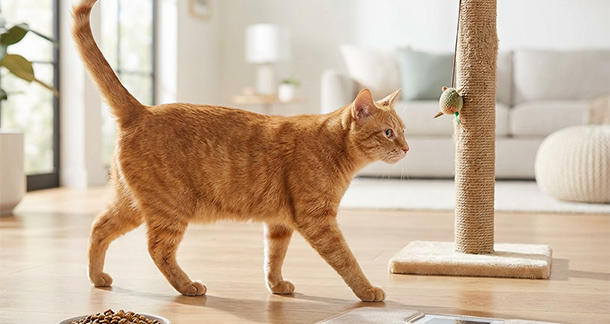
Mild Indicators in Cats (Often Missed)
- Jumping less or avoiding high surfaces
- Difficulty entering the litter box
- Sleeping more, playing less
- Grooming less or uneven grooming
- Changes in temperament
- Stiff walking or low posture
If a cat “slows down,” it is not just aging — it’s often pain.
- Preventive Care for Bone and Joint Health
Prevention should begin from puppyhood or kittenhood and continue throughout life.
- Weight Management (Most Important Factor)
Excess weight dramatically increases joint stress.
- Even 1–2 kg of extra weight significantly worsens arthritis.
- Obesity accelerates cartilage breakdown.
Action steps:
- Measure meals
- Avoid excessive treats
- Regular weigh-ins
- Proper Nutrition
A balanced diet supports bone density and cartilage health.
Key nutrients:
- High-quality protein
- Omega-3 fatty acids (anti-inflammatory)
- Calcium & phosphorus (balanced, not excess)
- Vitamin D, E, and antioxidants
Avoid over-supplementation, especially calcium in growing puppies — it can worsen skeletal disorders.
- Joint Supplements (Preventive Use)
Starting supplements before symptoms appear is ideal for at-risk breeds.
Commonly recommended:
- Glucosamine
- Chondroitin sulfate
- MSM
- Omega-3 fatty acids (EPA/DHA)
- Green-lipped mussel extract
Always consult a vet before starting supplements.
- Controlled Exercise
Exercise builds muscle support around joints — but excessive or improper exercise can cause damage.
Best practices:
- Avoid forced running in puppies.
- No excessive stair climbing in young dogs
- Consistent, moderate exercise
- Warm-up and cool-down routines
Swimming is one of the best low-impact exercises for joint health.
- Safe Home Environment
Simple changes can prevent injuries:
- Slip-resistant flooring
- Ramps instead of stairs
- Orthopedic bedding
- Low-entry litter boxes for cats

- Prescriptive (Medical) Care for Bone and Joint Issues
When preventive care isn’t enough, medical management becomes essential.
- Veterinary Diagnosis
A vet may recommend:
- Physical orthopedic examination
- X-rays or imaging
- Gait analysis
- Blood tests (to rule out inflammatory or metabolic causes)
Early diagnosis results in improved outcomes.
- Pain Management Medications
Common options:
- NSAIDs (Non-Steroidal Anti-Inflammatory Drugs)
- Pain modulators (gabapentin, amantadine)
⚠️ Never give human painkillers to pets — many are toxic.
- Disease-Modifying Osteoarthritis Drugs (DMOADs)
These help slow joint degeneration rather than just cover up pain.
Examples include:
- Injectable joint protectants
- Cartilage-support therapies
- Physiotherapy and Rehabilitation
Often underused but highly effective.
Includes:
- Hydrotherapy
- Laser therapy
- Therapeutic exercises
- Massage and stretching
Helps restore mobility and reduce pain naturally.
- Surgical Intervention (When Necessary)
In advanced cases, surgery may be recommended.
Examples:
- Hip replacement
- Tibial plateau levelling osteotomy (TPLO)
- Patellar correction surgery
Surgery is usually followed by rehabilitation for the best results.
- Long-Term Management: Living Well With Joint Disease
Bone and joint issues are often lifelong, but they don’t have to limit happiness.
Successful management includes:
- Consistent veterinary follow-ups
- Weight control
- Adjusted exercise routines
- Pain monitoring
- Mental stimulation
Many pets with arthritis live full, active, joyful lives with the right care.
Final Thoughts
Bone and joint issues in pets are common, progressive, and deeply impactful, but they are also manageable and often preventable. Awareness is the first step. Whether you have a growing puppy, an athletic adult dog, or a senior cat slowing down, joint health should be a priority at every life stage.
Early detection, smart prevention, and appropriate medical care can mean the difference between years of pain and years of comfortable movement.
About Author
Dr Vinay Chhabra
Chief Veterinarian
MyFurries.com