
By Piu Sur
Holi, known as the festival of colours, is a vibrant and jubilant celebration deeply rooted in Indian culture and tradition. Holi holds both religious and cultural significance, uniting communities in a joyous festivity. Holi commemorates the triumph of good over evil and the arrival of the rejuvenating season of spring. During Holi, individuals set aside their differences, embracing the joyous spirit of the occasion. It’s a time when communities come together, breaking down barriers as people of all ages and backgrounds join in the shared delight of the festivities. The playful exchanges of colours and water. Holi also symbolizes the spirit of forgiveness and renewal. It encourages individuals to let go of past grievances, fostering a sense of unity and positivity within communities. Families and friends gather to celebrate, enjoying traditional foods and engaging in cultural rituals that deepen the bonds of kinship.
In essence, Holi is more than just a festival; it is a dynamic expression of the rich tapestry of Indian culture, bringing people together in a joyous celebration of life, love, and the vibrant hues that characterize this extraordinary festival of colours.
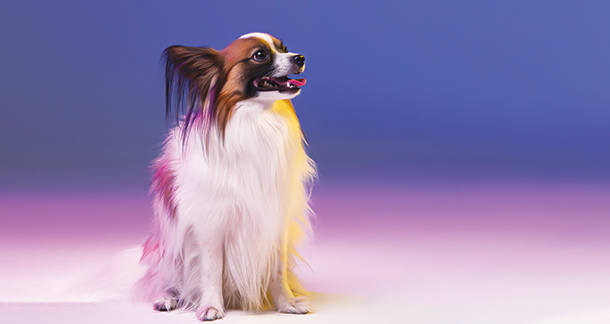
Celebrating Holi with our beloved pets adds an extra layer of joy and warmth to this vibrant festival. The joy of seeing our pets playfully engage in the colourful chaos of Holi is unparalleled. Their innocent enthusiasm and curiosity bring a unique charm to the celebration. Whether it’s watching them chase after coloured powders or simply enjoying the cheerful atmosphere, the presence of pets enhances the festive spirit.
However, it’s important to approach Holi with pets with caution. The colours and chemicals used during the celebrations can pose potential risks to their sensitive skin and health. Taking the time to understand and address the specific needs and sensitivities of our pets during Holi ensures that they can partake in the celebrations without any harm. This mindful approach not only safeguards their well-being but also allows for a more enjoyable and stress-free experience for both pets and their human companions.
The Challenge of Skin Issues in pets During Holi
The colours and chemicals used during Holi celebrations, while vibrant and festive for humans, can pose potential risks to the sensitive skin of cats and dogs. These risks stem from the composition of traditional Holi colours, which often contain artificial dyes, chemicals, and other substances that may be harsh and abrasive. For cats and dogs, whose skin is more delicate and reactive than human skin, exposure to these colours can lead to a range of skin issues.
These risks manifest in various ways, potentially causing irritations, dryness, and other skin problems that demand careful consideration by pet owners.

- Irritations:The vibrant and synthetic dyes present in traditional Holi colours may contain harsh chemicals that can lead to skin irritations in dogs and cats. Their skin, being more sensitive than humans, is susceptible to adverse reactions when exposed to these artificial substances. Irritants can prompt redness, itchiness, and discomfort, making it essential for pet owners to monitor their pets closely during and after Holi celebrations.
- Dryness:The chemical composition of Holi colours often includes substances that can strip the natural oils from a pet’s skin. This can result in dryness and flakiness, exacerbating existing skin conditions or potentially triggering new issues. Dry skin not only causes discomfort but also compromises the skin barrier, making pets more susceptible to infections and further complications.
- Allergic Reactions:Some pets may be predisposed to allergies, and the chemicals in Holi colours can act as allergens, provoking allergic reactions. Allergic responses may manifest as rashes, swelling, or even more severe conditions. Pet owners should be vigilant for signs of allergic reactions, such as excessive scratching, redness, or swelling, and seek prompt veterinary attention if such symptoms arise.
- Hair loss: in pets after exposure to Holi colours is a common concern among pet owners. The aftermath of these colours can result in hair shedding or loss in animals. It’s a notable issue observed due to the chemicals and pigments used in these colours. Owners often notice their pets experiencing hair loss as a reaction to these substances.
- Eczema in pets: notably dogs and cats, is an inflammatory skin condition marked by redness, itching, and discomfort. Causes range from genetic predisposition to environmental allergens and dietary sensitivities. Common symptoms include hair loss, excessive scratching, and potential secondary infections. Managing eczema involves veterinary diagnosis, topical or oral treatments, allergen avoidance, dietary adjustments, and regular veterinary check-ups for preventive care.
- Ingestion Risks:Dogs and cats often groom themselves by licking their fur. If Holi colours are ingested during this grooming process, it can lead to internal complications. Ingested chemicals may cause gastrointestinal distress, vomiting, or diarrhea, posing additional health risks beyond skin problems.
- Residual Effects:Even after the festivities are over, residual colour on the fur can continue to impact a pet’s skin. Incomplete removal of colours may perpetuate irritations and dryness, necessitating thorough cleaning and grooming to eliminate any lingering substances.
- Some chemicals in the colours may even penetrate the skin barrier, potentially causing more severe allergic reactions or dermatitis.
- In addition to skin concerns, the loud sounds and commotion associated with Holi celebrations may cause stress and anxiety in pets, further exacerbating potential health issues.
Considering the unique sensitivities of cats and dogs, it becomes imperative for pet owners to exercise caution and choose pet-safe alternatives if they wish to involve their pets in Holi celebrations. Prioritizing their safety involves being mindful of the ingredients in the colours, monitoring for any signs of distress or irritation, and taking swift action to address any adverse reactions promptly. This proactive approach ensures that the festive spirit of Holi can be shared responsibly, minimizing the potential impact on the skin and overall well-being of our furry companions.
Practical tips on keeping pets safe during Holi celebrations.
Ensuring the safety and well-being of pets during Holi celebrations involves a combination of careful planning and proactive measures. Here are practical tips to help pet owners navigate the festivities responsibly:
- Pet-Safe Colours: opt for pet-safe colours or natural alternatives that are free from harmful chemicals. These can include DIY options made from safe, edible ingredients like turmeric for yellow and beetroot for red. This minimizes the risk of skin irritations and allergic reactions in pets.
- Supervision is Key:Keep a close eye on your pets during Holi celebrations. Direct supervision allows you to intervene quickly if your pet shows signs of distress, discomfort, or exhibits any adverse reactions to the colours.
- Create a Safe Space:Designate a quiet and secure area in your home where your pet can retreat if the festivities become overwhelming. This safe space provides them with a refuge from loud noises and ensures a stress-free environment.
- Respect pets’ choices: Not all pets may enjoy the Holi festivities. Respect your pet’s comfort level, and if they seem disinterested or stressed, allow them the choice to opt-out and observe from a distance. Use positive reinforcement, treats, and praise to associate the Holi celebration with positive experiences for your pet. This helps create a positive association and reduces anxiety.
- Hydration is important: Ensure your pet stays hydrated, especially if the weather is warm. Provide a shaded area where they can rest and cool down if needed.
- Avoid Water Play:While water is a significant part of Holi celebrations, it’s essential to be mindful of your pet’s comfort. Many dogs and some cats are not fond of water, and forced water play can cause stress. If your pet enjoys water, ensure it’s a gentle and controlled interaction.
- Protective Clothing:Consider dressing your pet in a light, protective garment that covers their fur during Holi. This can prevent direct contact with colours and reduce the chances of skin irritations. Ensure the clothing is comfortable for your pet and doesn’t cause any restrictions.
- Pre-Holi Grooming:Give your pet a thorough grooming session before Holi. Trimming long fur can minimize the chances of colour particles getting entangled in the coat. Additionally, clean ears and paws to prevent any residual colour from causing irritation.
- Post-Holi Clean-up:After the celebrations, promptly and thoroughly clean your pet to remove any remaining colour particles. Use a mild, pet-friendly shampoo to wash their fur, and take care to rinse thoroughly. This helps prevent prolonged skin contact with colours and minimizes the risk of skin issues.
- Consult the Vet:If you have any concerns or if your pet displays signs of discomfort post-celebrations, consult your veterinarian promptly. Professional advice ensures timely intervention if any skin problems or health issues arise.
Home remedies for common skin problems in pets
- Coconut Oil Massage: Coconut oil has natural moisturizing and anti-inflammatory properties. Gently massage a small amount of coconut oil onto the affected areas to alleviate dryness and soothe irritated skin.
- Apple Cider Vinegar Rinse: Dilute apple cider vinegar with water and use it as a rinse after bathing your pets. This can help restore the skin’s pH balance and has mild antimicrobial properties.
- Aloe Vera Gel: Apply a small amount of pure aloe vera gel to the affected areas. Aloe vera has cooling and healing properties, making it beneficial for soothing irritated skin.
- Baking Soda Paste: Mix baking soda with water to create a paste and apply it to itchy or irritated areas. Baking soda can help relieve itching and reduce inflammation.
- Humidifier: This helps prevent the air from becoming too dry, which can contribute to skin dryness in pets.
Important Note- If the skin problem persists or worsens, it’s crucial to consult with a veterinarian. They can provide a proper diagnosis and recommend specific treatments tailored to your pets’ needs.
In conclusion, prioritizing pet skin care during Holi emerges as an essential responsibility for conscientious pet owners. The festival’s vibrant colours and festivities, while a source of joy for humans, can pose potential risks to our furry companions. Recognizing the sensitivity of pet skin and the potential stress that Holi celebrations can induce, it becomes imperative to celebrate responsibly.
By opting for pet-safe colours, providing protective clothing, and creating safe play zones, pet owners can ensure a joyful and secure environment for their pets during Holi. Vigilance, gentle cleansing, and proactive measures to prevent colour ingestion underscore the commitment to pet well-being. Moreover, the provision of quiet retreats and attention to hydration contribute to a stress-free post-celebration period for our beloved companions.
In embracing these responsible practices, pet owners not only protect their pets from skin irritations and ingestible toxins but also promote a harmonious and inclusive celebration for the entire family. Holi can be a time of shared joy, with pets included in the festivities while being shielded from potential health hazards. By prioritizing pet skin care, we reinforce the bond with our furry friends, ensuring their safety and comfort amid the colourful revelry of Holi. Celebrating responsibly with ourpets becomes a testament to our commitment to their well-being, making Holi a truly joyous and pet-friendly occasion.