
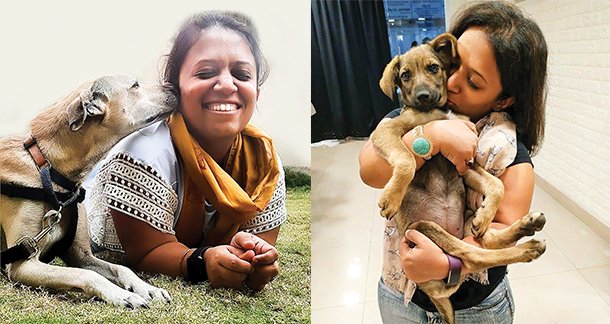
Using Positive Reinforcement and Reward Based Training for Dogs
Positive reinforcement training involves rewarding your dog for the things they do right.
The reward could be in the form of a treat, toy or just petting the dog.
To some people that sounds like a bribe and not training, but positive reinforcement is neither a bribe nor a gimmick. It’s based on the science of animals learning and its incredibly effective. If a dog is food motivated, we work with food and treats, Work with what motivates your dog.
Forming a positive association is key for training your dog. Always reward your dog when he has exhibited the right behavior.
Make training sessions fun and something that dogs looks forward to
While the goal of training your dog is to teach your dog a new skill or behavior, having fun while doing so is beneficial for your dog and the pet parent. They will be more willing to learn new things and work through challenging training sessions if they know it will be an enjoyable experience .We keep our sessions short and focused.
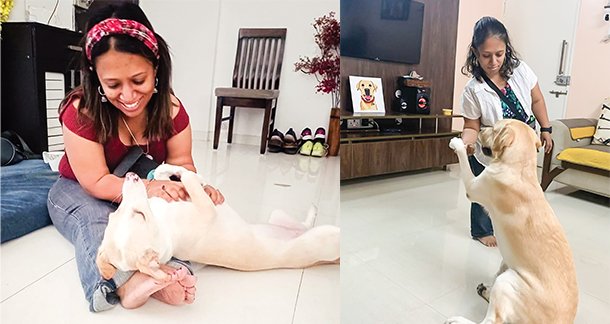
Breed specific :
Many dog breeds were bred to do specific tasks and it wasn’t until about the middle of the twentieth century that we started bringing dogs of all breeds into our families as companion animals.
Genetics plays a very important role
For example Beagles, foxhound – They were bred to hunt.
Siberian huskys – They were bred to pull sleds
While a dogs’ specific breeds can reveal some aspects of their personality , it has nothing to do with their ability to learn new behavior . Let’s think about the question on whether or not different dog breeds learn differently? If certain breeds of dogs learn differently, how would we train mix breed dogs ?
Discover what your dog truly loves and use it to teach good behavior
A good relationship requires communication. You need to create a bond with your furry companion and training teaches you that and how to live with each other .It also helps build confidence. Just one on one time with your dog, playing, going on drives ,walks, and treks helps create that bond.
All dogs, no matter their age, breed or gender, need mental and physical exercise and your dog will be able to respond to you as long as you practice regularly, whatever the trainer/behaviourist has taught them and see that their needs are met.
ABOUT THE AUTHOR
I am Catherine Pinto, a dog trainer and behaviourist . I am the founder of Canis Logic Dog Training ,Pune I have been in the dog training field since 3 years.