
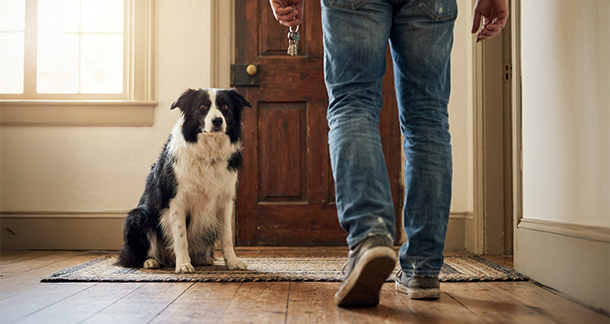
Do you dread going out to dinner with your partner because you picture your dog howling the place down? Does a lazy Sunday brunch with family and friends feel like a distant dream, knowing you’ll return to a trashed apartment? Or maybe a quick trip to the supermarket turns into a nightmare when neighbors call, complaining about nonstop barking. If these scenes sound familiar, you’re not alone. For many pet parents, a dog with separation anxiety dictates the rhythm of daily life. We end up rearranging social plans, work schedules and even personal downtime just to avoid leaving our furry companions alone for even a moment.
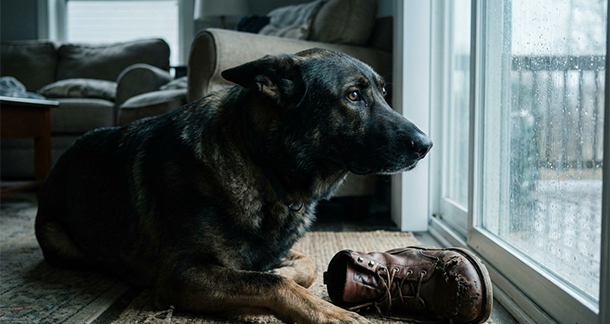
What Is Separation Anxiety?
Separation anxiety is a condition in which a dog experiences extreme stress and anxiety when left alone, even for short periods. The distress can manifest as:
– Excessive barking or howling
– Destructive chewing or digging
– Self‑mutilation (e.g., licking or biting paws)
– Refusal to eat
– Physiological signs like fever or diarrhea
These behaviors are not “bad” habits – they’re symptoms of genuine panic
Common Causes
While every dog is different, separation anxiety often traces back to one or more of the following:
- Early Weaning – Being separated from mother and littermates before 60 days.
- Never Being Alone – Constant human presence, no chance to learn self‑soothing.
- Over‑Engagement – Constant coddling, talking, or playing, which creates dependency.
- Sudden Environmental Changes – Moving homes, change in family dynamics, etc.
Why “Always There” Can Backfire
Many owners believe staying glued to their dog’s side is the kindest approach. In reality, it denies the pup the chance to learn that being alone is safe. Teaching a dog to tolerate brief solitude is the first step toward preventing or treating separation anxiety.
Prevention & Treatment
- Prevent the Onset
– Start Early: From 2 months of age, practice leaving the puppy alone for 10–15 minutes at a time.
– Adequate Exercise: Daily walks and play burn physical energy and reduce stress.
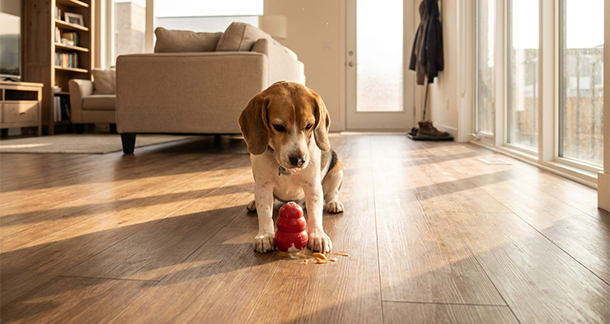
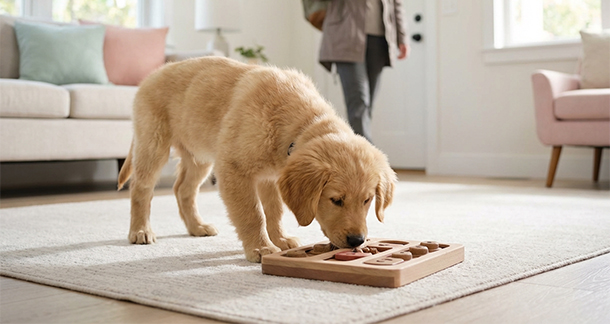
– Mental Stimulation: Sniffing games, Kong toys stuffed with treats, and interactive puzzles keep the mind occupied.
- 2. Practical Strategies
– Chew and Distraction Toys: Provide a special toy (e.g., Kong) only when you leave.
– Low‑Key Greetings: Ignore the dog for a few minutes before leaving and after returning. No big hello or goodbye.
– Desensitization: Gradually increase alone time. Use a webcam or CCTV to monitor behavior and return before anxiety spikes.
- Step‑by‑Step Desensitization Protocol
- Initial Phase: Leave the dog in a room for 1–2 minutes, multiple times a day. Offer a distraction toy.
- Incremental Increase: Extend the duration by a few minutes only when the dog shows no signs of distress. Always return before anxiety begins.
- Generalization: Once comfortable indoors, start brief out‑of‑house absences (2–5 minutes).
- Progress Gradually: Lengthen time away slowly over weeks or months.
- Consistency Is Key: Stick to the plan daily; intermittent practice weakens progress.
- New Environments
When placing the dog in unfamiliar settings (friend’s home, boarding center), arrange multiple short visits in advance so the dog can acquire to the new people and space.
- Extreme Cases
Severe separation anxiety may stem from past trauma, abuse, or medical issues. In such situations, consult a veterinarian. They may recommend short‑term medication to complement behavior modification.
Final Thought
Separation anxiety doesn’t have to control your life or your dog’s. With early prevention, consistent training, and patience, most dogs learn that solitude is not abandonment. The reward is a happier pet and a more balanced, fulfilling life for you.
About the Author
By Subhadra Cherukuri
Author is an ex- management consultant, a passionate horsewoman, a canine behaviourist, and the founder of Miracle Equine Center and Wag-ville in Bangalore.