
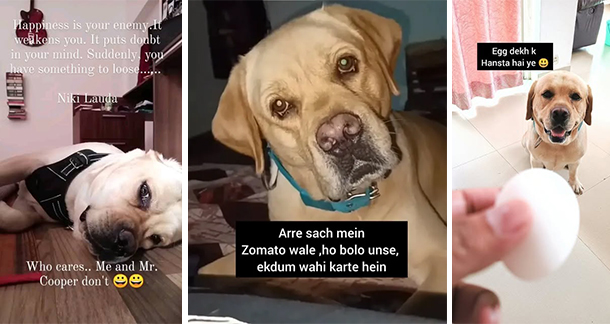
For days my Labrador told me something was wrong. I was ignorant to the signs and missed it.
Cooper barked at his water bowl again. It was empty, and he wanted more. I filled it, and before long he was barking at it again.
I noticed. I saw him drinking more, and I saw him peeing more. When I took him out, he would pee for so long that I was amazed he could hold that much. Then I told myself it was the winter.
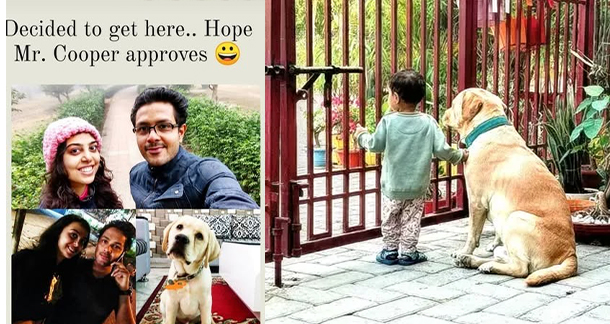
Cooper is my yellow Labrador. He came home at about two months old, and he is almost eight now. Somewhere in those years I stopped thinking about how much shorter a dog’s life is than ours. He is not my first dog, but I had never seen these changes in any of the others.
Then one morning he peed near his bed before I could take him outside. I explained that away too. It was cold. He was getting older. The next day there was another accident, and I finally ran out of excuses. I took him to the vet.
Cooper had a full blood panel and a chest X-ray. The vet suspected diabetes. The reading at the clinic was unusually high, though he said stress might have played a part, so he advised a fasting test the next morning. That test confirmed it. This was October 2026. Cooper now gets insulin twice a day, in an amount his vet sets, and he will need it for the rest of his life.
I went to the internet. I read research, and then accounts from other owners. In their stories of constant drinking and endless toilet trips, I recognised Cooper.
The explanation was simple once I saw it. Without enough insulin, sugar builds up in the blood and spills into the urine, taking water with it. The body starts breaking down fat and muscle for energy. His bowl kept running empty because he was ill. I had blamed the weather.
I think many loving owners do what I did. We see the signs. We just give them ordinary names.
After the diagnosis, the real work happens at home. Before you leave the clinic, ask your vet to write things down: the insulin’s name, its strength, the dose, and what dose to give if your dog eats less than usual or nothing at all. Ask them to show you how to give the injection. And ask for a day of glucose readings, called a glucose curve, to be booked within one to two weeks.
A half-eaten dinner becomes a question about insulin, not just appetite. Twice-daily injections are usually about twelve hours apart, and when they are prescribed with meals, the dog eats first. What counts is how much he actually eats. The same food, weighed portions and regular mealtimes all help. The food need not be a prescription diet, as long as it is complete, balanced and chosen with your vet. If an injection is missed, never double the next dose to make up for it. If your dog refuses two meals in a row, or vomits, call the vet promptly.
Even buying supplies needs care. The syringe must match the concentration printed on the insulin vial, because a mismatch can give a dangerous overdose or too little. Check both labels every time you buy. Insulin goes in the fridge, never the freezer. If more than one person looks after your dog, keep a notebook of food, medicines and who gave each injection. And allow for the extra toilet trips. Never take water away to prevent accidents. That barking at the bowl is the illness talking, not bad manners.
Low blood sugar is what I would want every owner to understand before the very first injection. Too much insulin for the food eaten can bring it on. Watch for trembling, confusion, sleepiness, wobbling, collapse or seizures. Keep honey in the house. If your dog is awake and swallowing normally, offer food. If he is weak or wobbly, and it is safe, lift the lip and rub honey on the outer gums with your finger, keeping it outside the teeth. Never pour liquid into the mouth. During a seizure, put nothing in the mouth; once it stops, put honey on the gums only if it is safe. Then go to the vet immediately, even if your dog seems better. First aid must never delay the trip.
Ketoacidosis, caused by too little effective insulin, is another emergency. Vomiting, refusing food, severe weakness, fast breathing or sweet-smelling breath mean your dog needs a vet the same day, for a drip and monitored treatment. This cannot be managed at home. Never give extra insulin to bring a high reading down.
Most diabetic dogs develop cataracts, and surgery can restore sight in suitable cases. A red, painful or squinting eye needs the vet the same day.
That is a lot of warnings, but this matters most. With treatment and monitoring, diabetic dogs can have a good quality of life. If you find yourself watching your dog every minute and barely sleeping, you need help with the care, not just information. Ask for it.
And if you missed the early signs, go easy on yourself. I would be slow to judge anyone. I saw Cooper drinking. I saw him peeing. I had an ordinary explanation for both.
I am not a vet. I could find plenty of information, but not the one place I needed as an owner in India, telling me what to notice, what to ask the vet and what to do at home. So I built a free guide.
Cooper told me something was wrong in the only way he could, at his water bowl. It took me too long to listen. I hope it takes you less time.
Sunny Raghvendra Singh lives in Dehradun with Cooper. firstlightdog.com
Sources
AAHA. Diabetes Management Guidelines for Dogs (2026).
Merck Veterinary Manual. Diabetes Mellitus in Dogs and Cats.
VCA Animal Hospitals. Diabetes Mellitus in Dogs series.
RECOVER Initiative. First Aid for Dogs and Cats (2026).
By Sunny Raghvendra Singh