
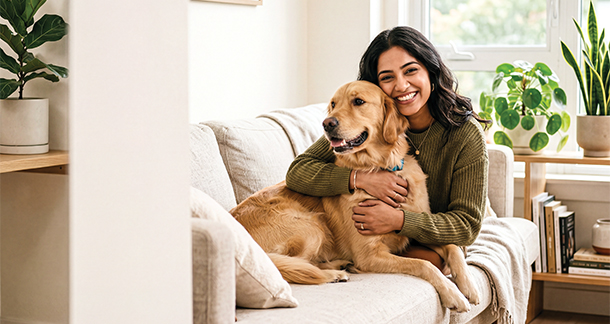
largest in Southeast Asia. While, this success is attributed to the Industry’s consistent efforts in increasing manufacturing prowess, start-up culture, product and service accessibility, creating conducive ecosystem for pet parents, these shifts reflect a greater acceptance of pets in Indian society. Pets are now considered as our family members with their nutrition, health, and well-being holding utmost priority. The Industry is gearing up to meet their demands.
Representation in Mainline and Electronic Media and OTT Platforms
When the media start talking about the industry then it is assumed that the sector has arrived.
The Indian Pet Industry, since Jan 2025, has been featured in renowned publications like Times of India, The Indian Express, Indian coverage of BBC, and more about 30+ times. This suggests the proactive interest that the media is taking in the Pet Industry owing to its potential and market uptake. It also guarantees that the widespread reach beyond pet interest group across the country spreading awareness amongst about the sector.
This mainstream recognition positions the Industry as a contributor to the Indian economy with its own identity. It gives it greater recognition, respect, and acceptance in the market. It encourages business houses and individuals to venture into this sector.
Besides media publications, amplified reach among popular reality shows on OTT platforms has boosted the presence of Pet Industry in the country. Shark Tank India, franchisee of Shark Tank USA, is one of the most beloved reality TV shows in the subcontinent by start-ups, entrepreneurs, business school graduates and the general public. It has featured pet brands in India such as Nootie, Smylo, PawsIndia, Dogsee Chew, MyPerro, Flying Fur, and Goofy Tails
In January 2026, Nootie’s episode drew particular attention when founders secured a $120,000 with a passionate pitch centred not just on product margins but on the brand’s initiative to provide affordable nutrition for India’s street dogs. The episode sparked a nationwide conversation about the ethics and economics of pet care simultaneously, a conversation that played out in millions of Indian homes on a weeknight evening.
Beyond Shark Tank, pet brands have found space on other OTT formats. Dogsee Chew and Just Dogs were featured on Superfounders (Jio Hotstar), while TailBlaze appeared on Bharat ke Superfounders ( SuperFounders of India) on Amazon Mx Player. The pet Industry is slowly yet steadily integrating into the mainstream with growing popularity.
Muti Billion Dollar FMCG Companies Entering the Industry
Over the years, the Industry has witnessed a substantial shift with more FMCG companies entering the Pet Market in India owing to its profitability in status quo. Godrej Consumer Products Limited (GCPL), one of India’s most storied FMCG conglomerates with over 125 years of history, announced in 2024 that it would invest ₹500 crore (approximately €54 million) over five years in a new subsidiary, Godrej Pet Care. In April 2025, the company launched its first product, Godrej Ninja, a scientifically formulated dog food targeting gut health and immunity, initially rolled out in Tamil Nadu as a launchpad for nationwide expansion.
Meanwhile, Nestlé, which entered the Indian pet food space in 2022 by acquiring Purina Petcare India, deepened its commitment in 2025 by picking up a minority stake in Drools Pet Food, one of India’s most established homegrown pet nutrition brands. And by late 2025, Reliance Consumer Products (RCPL) had launched Waggies, a pet food brand, with standard packs priced at ₹199 ($2.10) per kilogram and the premium “Waggies Pro” variant available from ₹249 ($ 2.63) per kilogram. Small 100g trial packs are also available for ₹20 ($0.21) , making it one of the most affordable options in the Indian market
Pets are Welcomed at Workplaces
Cultural acceptance of pets rarely travels in one direction. It radiates outward. One of the clearest places to watch that radiation is the workplace.
Across India’s urban corporate landscape, particularly in Bengaluru, Mumbai, and Hyderabad, pet-friendly office policies have moved from an eccentric startup perk to a recognizable feature of employer branding. InMobi, the unicorn adtech firm, not only allows employees to bring pets to work, but has seen resident office animals influence leadership decisions, including the co-founder’s own decision to adopt a dog. WeWork India has formalised the shift most explicitly, offering employees up to 10 days of pet bereavement leave, a policy that, a decade ago, would have been unimaginable in the Indian corporate context.
Other companies including Bizongo, Swiggy, and DriveU have introduced pet adoption support and flexible leave for pet care needs. These are not wellness gestures. Companies now recognis that pets are a meaningful part of employees’ family lives, and are beginning to integrate that in the policies.
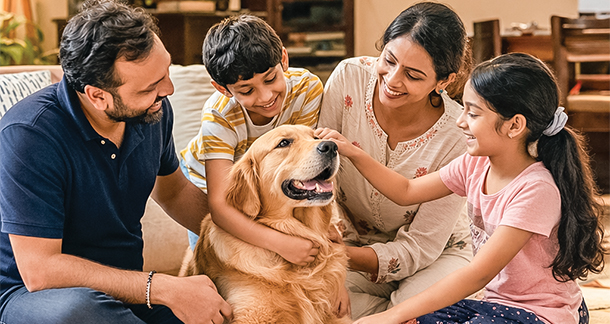
Pets in Non-Pet Brands – Acceptance of Pets as Family Members
Perhaps the most telling indicator of all is not what pet companies are doing , it is what everyone else is doing.
Brands with no direct stake in the pet category have increasingly incorporated pets into their advertising because they understand the emotional currency involved. Vodafone India’s iconic Pug campaign, first aired as Hutch in 2003, is widely regarded as one of the most emotionally effective advertising campaigns in Indian marketing history. The Pug became so synonymous with the brand that the breed’s popularity in India surged dramatically in its wake.
More recently, brands across categories have begun using pets in advertising not to sell pet products, but to signal warmth, family, and safety to a changing Indian consumer. The strategy reflects a well-established psychological insight that animals in advertising consistently outperform human models in generating positive emotional responses and brand preference. Indian advertisers have clearly absorbed this. Other notable non pet brands that have featured pets are flipkart India, Tata tea, ICICI bank, Swiggy, Amazon India, Airtel, Cadbury, and more.
Pet Influencers – Pet Care Going Digital
India’s digital ecosystem has given the pet care narrative its most organic accelerant: the Instagram Reel.
Pet content on Indian Instagram and YouTube generates engagement rates of 8–10%, compared to a platform average of 1–3%. These are not numbers driven by brand spending. They are driven by genuine interest for the content. According to data from influencer analytics platform Qoruz, there are currently over 1,200 active pet influencer accounts in India and the ecosystem extends far beyond that into micro and nano influencer territory.
Indian pet influencers have also become legitimate marketing channels. Brands including Heads Up For Tails, Drools, Himalaya Pet Care, and Pedigree have built structured influencer partnerships with pet accounts, with larger pet influencers commanding fees of $300–480 per post. This is a growing market with pricing, contracts, with professional management, and brands are leveraging on it.
In a Nutshell
Pet Care markets are often presented as a numbers story. The numbers are real, the market reached US$3.6 billion in 2024 and is projected to double by 2028, with a pet population projected to reach 39 million by end of 2025. These figures matter.
However, the more durable story is cultural. When a country’s generalist newspapers start covering an industry with genuine curiosity, its most-watched business reality shows invite that industry’s founders to pitch, its oldest and most trusted FMCG conglomerates stake hundreds of millions of rupees on its future, and when it starts integrating itself into society’s everyday routine, the ecosystem for the Industry becomes more solidified with a stronger framework for growth and expansion.
For international businesses aiming to tap into this market, the consideration extends beyond growth numbers and assessing the pet ecosystem in the country and how strong it is.
Source- Euromonitor International, IMARC Group, India-Briefing, and IBEF.