
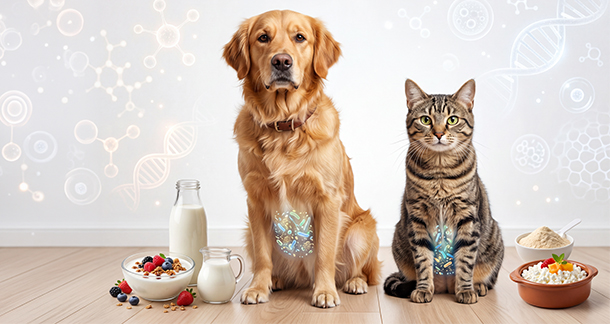
The digestive system is central to a companion animal’s overall health, affecting immunity, nutrient absorption, and daily well-being in dogs and cats. A balanced gut microbiome supports efficient digestion, stronger immune defense, protection against digestive issues, and a better quality of life. Functional foods and nutraceuticals that can shape the pet microbiome have gained traction recently, and dairy-based ingredients stand out due to their mix of probiotics, prebiotics, bioactive peptides, immune-supporting compounds, and essential nutrients (Swanson et al., 2011).
Dairy offers a strong foundation for creating novel pet nutrition products and supplements focused on gut health. Ingredients like fermented dairy, whey proteins, milk oligosaccharides, and probiotic cultures can be added to pet diets to foster a stable gut microbiome and support digestive function.
Why Gut Health Matters in Companion Animals
Pets’ digestive tracts host a diverse microbial community that impacts digestion, nutrient uptake, immune system development, metabolism, and defense against harmful microbes. When this balance is disrupted—a condition called dysbiosis – it’s linked to diarrhea, inflammatory bowel disease, obesity, allergies, and metabolic problems in dogs and cats (Pilla and Suchodolski, 2020).
Dietary strategies that maintain or restore gut balance are now a priority in pet nutrition. Dairy-derived functional ingredients can help reestablish microbial equilibrium and improve intestinal health.

Dairy Ingredients as Functional Additives for Pet Digestion
Probiotic Fermented Dairy
Products such as yogurt, kefir, cultured buttermilk, and fermented milk contain beneficial bacteria like Lactobacillus, Bifidobacterium, Enterococcus, and Streptococcus. These microbes can reach the gut alive and provide several benefits:
- Greater microbial diversity in the intestine
- Suppression of harmful bacteria through competition
- Boosted digestive enzyme activity
- Improved stool quality and regularity
- Enhanced immune stimulation
Research indicates that probiotic supplementation can lessen digestive upset and positively shift fecal microbiota in dogs (Grześkowiak et al., 2015). Creating fermented dairy products with probiotic strains sourced from dogs or cats is a promising development area.
Prebiotics from Dairy
Milk naturally contains oligosaccharides that act as prebiotics, selectively feeding beneficial bacteria such as Bifidobacterium and Lactobacillus.
- They promote growth of beneficial microbes
- Increase production of short-chain fatty acids (SCFAs)
- Reinforce the intestinal barrier
- Limit pathogen attachment and growth
Evidence shows bovine milk oligosaccharides can favorably alter gut microbiota and support digestive health (Schanbacher et al., 2020). Adding these oligosaccharides to pet food may be especially beneficial for puppies and kittens in early growth stages.
Whey Proteins and Bioactive Peptides
Whey contains bioactive components including lactoferrin, α-lactalbumin, β-lactoglobulin, immunoglobulins, and growth factors. Digestion or fermentation releases peptides with antimicrobial, anti-inflammatory, antioxidant, and immune-regulating properties.
- Help guard against intestinal pathogens
- Strengthen mucosal immunity
- Lower gut inflammation
- Improve nutrient uptake
Lactoferrin is notable for its role in regulating gut microbes and supporting intestinal health (Legrand, 2016). Pet foods enriched with whey proteins could play a meaningful role in maintaining gastrointestinal wellness.
Synbiotic Dairy Products
Synbiotics pair probiotics with prebiotics for combined effects. Dairy matrices protect probiotics during storage and digestion, making them effective delivery vehicles. Examples include: Yogurt with added fructooligosaccharides, Kefir blends containing both probiotics and prebiotics, Fermented whey drinks, Freeze-dried dairy-based probiotic supplements. Synbiotic use has been shown to improve stool consistency, gut microbial balance, and immune function in pets (Schmitz and Suchodolski, 2016).
Colostrum-Based Functional Foods
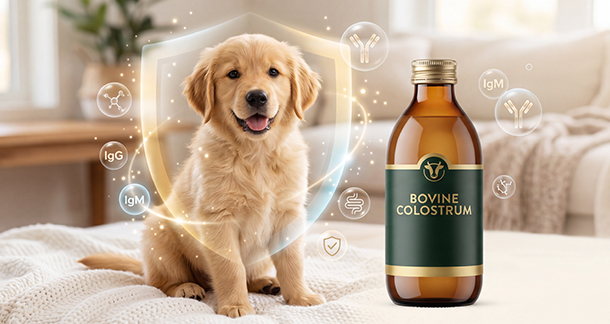
Bovine colostrum is packed with immunoglobulins, growth factors, antimicrobial peptides, cytokines, and oligosaccharides that support gut barrier function and immunity.
- Aids intestinal tissue repair
- Increases resistance to gut infections
- Reduces inflammatory responses
- Supports beneficial bacteria
Bovine colostrum is already used in several commercial pet supplements for gut health, and further research may refine its use in companion animal diets (Playford and Weiser, 2021).
Emerging Trends in Dairy-Focused Pet Nutrition
Precision Fermentation Ingredients: This technology allows production of targeted dairy proteins and bioactive compounds without traditional dairy farming, offering consistent and sustainable options like precision-fermented lactoferrin and milk oligosaccharides.
Microencapsulation Methods: Encapsulating probiotics with dairy proteins or milk-derived polymers can improve survival during processing and storage, enabling more stable dairy-based probiotic products.
Personalized Nutrition: As understanding of individual pet microbiomes grows, there’s potential for custom dairy-based diets tailored to a pet’s age, breed, health status, and microbial profile.
Postbiotic-Enriched Products: Postbiotics are non-living microbial metabolites from fermentation—such as SCFAs, bacteriocins, enzymes, and peptides—that deliver health benefits without live microbes. Dairy fermentation is a natural source of these compounds for pet nutrition.
Challenges to Address
While dairy-based solutions show promise, several hurdles remain:
Lactose intolerance: Many adult dogs and cats produce little lactase, limiting tolerance to standard dairy.
Species-specific effects: Probiotic strains that work in humans may not have the same effect in pets.
Stability: Keeping probiotics viable through manufacturing and storage is difficult.
Regulatory requirements: Health claims on pet food need scientific evidence and regulatory clearance.
Individual differences: Age, breed, diet, and health can all influence how pets respond to dairy interventions.
Focused research can help overcome these barriers and support development of effective dairy-derived functional products.
Looking Ahead
The next phase of dairy-based gut health solutions will combine microbiome science, precision nutrition, biotechnology, and functional food design. Advances in milk bioactives, synbiotics, postbiotics, and precision-fermented ingredients are likely to yield new products that enhance gastrointestinal health and overall wellness in pets. Collaboration among dairy scientists, veterinarians, microbiologists, and pet food manufacturers will be key to creating evidence-based dairy functional foods for dogs and cats. These innovations could shift companion animal nutrition toward more preventive healthcare approaches.