
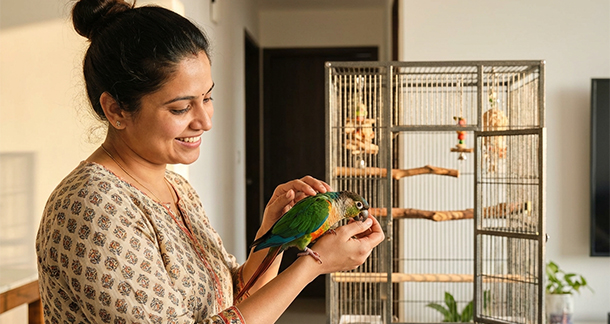
- What should one consider before keeping a bird as their pet?
When kept as pets, birds require relatively little space, making them suitable even for compact homes. Before bringing a bird home, it is important to consider the type and size of cage, the amount of time you can dedicate to interaction and enrichment, and whether you prefer to keep a bird singly or as a pair. If opting for a pair, one male and one female bird should be selected based on a DNA test.
To ensure you are purchasing a healthy pet bird, a thorough veterinary examination and a fecal (poop) test are essential. Proper supplementation before and during transport can help reduce stress associated with travel and support the bird’s health until it settles into its new environment.

- Which bird should one keep and how many?
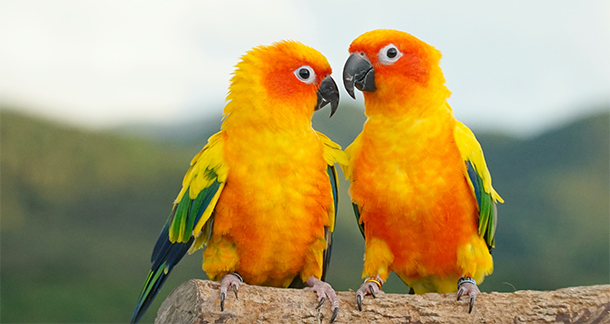
Indian government regulations do not permit native bird species to be kept as pets. Pet birds must belong to permitted exotic species, which include smaller birds such as canaries, budgerigars, cockatiels, sun conures, and green-cheeked conures. Medium-sized birds include African grey parrots and lorikeets, while larger species include macaws and cockatoos.
Recent regulations also mandate the registration of pet birds with designated government authorities. Depending on the space available and the resources you can commit, pet parents may choose to keep a single bird or multiple pairs. Birds are relatively convenient pets and can be comfortably kept even in a one-BHK apartment, provided their welfare needs are met. Consulting an avian veterinarian or bird expert is strongly recommended to determine the most suitable species and number of birds for your living environment.
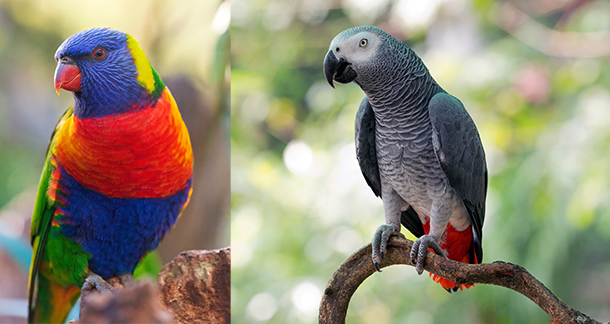
- What to feed the bird?
Pellets, seed mixes, fresh vegetables, and fruits together make a balanced diet for birds. Several branded and generic options are available in the market. Food variety varies based on the species of birds being kept. Multivitamins, probiotics, and immune boosters support supplementation and overall health maintenance.
- How to keep my bird healthy and happy?
Keep the cage and surrounding bird environment neat and clean. Drinking water should be changed daily, and strict hygiene must be maintained for water and food bowls. Cages should be disinfected regularly to prevent infections. Spending quality time with your pet bird is essential for its mental well-being.
If space permits, using a harness or allowing supervised free flying in a secure environment can provide additional enrichment. Heating lamps help maintain warmth during winters. Birds enjoy playing in water, which supports feather health and natural behaviour. Using natural perches inside the cage helps simulate their natural habitat, while chewable toys keep birds mentally engaged. Several bird species are also known to mimic words and sounds they frequently hear.

- When to visit a vet?
Keep the cage and bird environment neat and clean. Change drinking water daily and ensure proper hygiene of water and food bowls. Disinfect cages regularly to prevent infections. Spend quality time with your pet bird to support mental well-being. If space allows, use a harness or allow free flying in a secure environment. Heating lamps can be used to provide warmth during winters. Birds enjoy playing in water, and the use of natural perches inside the cage helps simulate their natural habitat. Chewable toys keep birds engaged, and several species can mimic words they hear and repeat them.
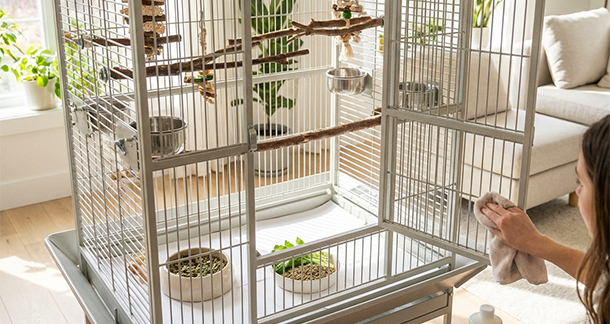
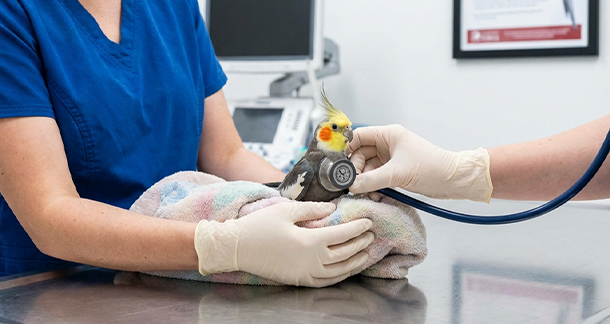
Reduced activity, watery droppings, seeds in droppings, abnormal vocalization, sitting on the floor of the cage, vomiting, and breathlessness are some signs that require immediate veterinary consultation. Remember, birds tend to hide signs of illness, so observe them discreetly from a place where the bird does not notice. Having CCTV surveillance can.
By Sai Kiran KVS, Pranidhi Veterinary Diagnostics, Hyderabad. +919618587722 www.pranidhi.in pranidhivet@gmail.com