
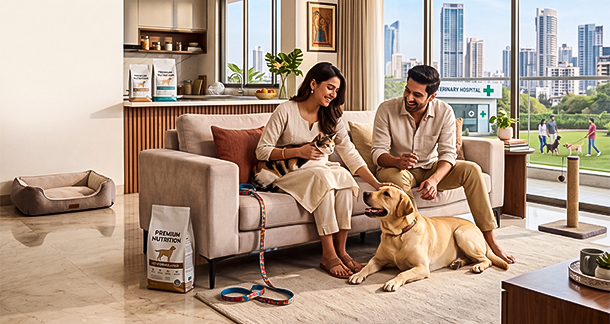
India is at a defining moment for the pet food market, which is expected to grow into a USD 2 billion category over the next decade, driven by greater access, increasing awareness and evolving consumer preferences. The opportunity now is to build a future-ready ecosystem where industry, veterinarians, policymakers, NGOs and pet parents work together to promote responsible pet ownership. As the sector evolves, a science-based regulatory framework supported by greater transparency, clear labelling and trusted quality standards will be essential to strengthening consumer confidence, encouraging responsible innovation and unlocking the industry’s long-term potential.
Waysto IncreasePet PenetrationPer Household in India
India is still at a relatively early stage of pet ownership compared to many global markets, which presents a significant opportunity. Increasing pet penetration is not simply about encouraging more people to own pets; it is about creating an ecosystem where responsible pet parenting becomes accessible, aspirational and sustainable.
●Make pet ownership more accessible for first-time pet parents: A large proportion of India’s pet parents today are first-time owners, particularly younger urban consumers; Many hesitate because they are unsure about the responsibilities involved. Simplifying access to credible information, veterinary guidance and starter resources can reduce uncertainty and encourage more households to welcome pets confidently. Nearly 70% of Gen Z & Millennials in India are first-time pet parents based on Mars–IPSOS Global Pet Parent Survey.
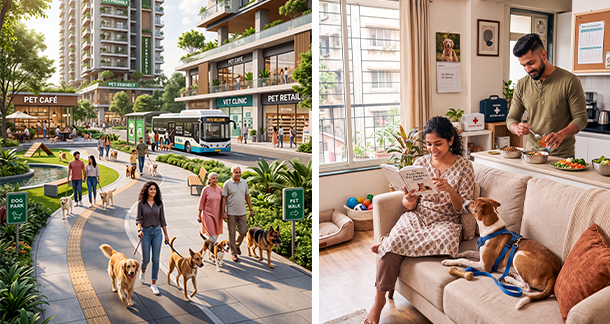
●Build Better Cities for Pets: Infrastructure plays a critical role in enabling pet ownership. Parks, walking spaces, pet-friendly housing societies, transport options and workplaces that welcome pets create environments where families feel it is practical to own a pet. Urban planning that considers companion animals ultimately benefits both people and pets.
● Encourage adoption alongside responsible ownership: Thousands of healthy animals await homes across India. Strengthening adoption networks, supporting shelters and promoting responsible adoption can significantly increase pet ownership while addressing animal welfare challenges. Equally important is educating new pet parents about long-term commitment, preventive healthcare and nutrition.
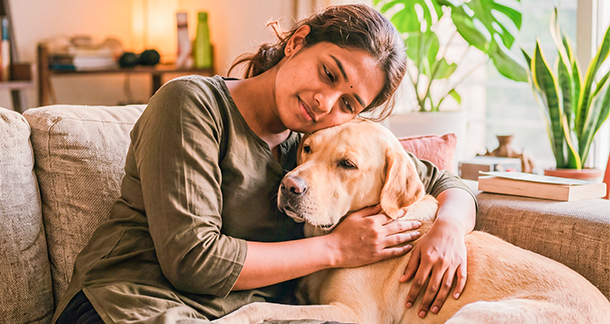
● Increase awareness of the human-animal bond: Companion pets contribute positively to emotional wellbeing, family connections and everyday routines. 79% of Indian pet owners say their pet positively impacts their mental wellbeing, as per a recent study conducted by YouGov in partnership with Mars and Calm. As awareness grows around the role pets play in supporting mental wellbeing, reducing loneliness and encouraging active lifestyles, more families may begin to see pet ownership as an enriching life decision rather than a discretionary choice.
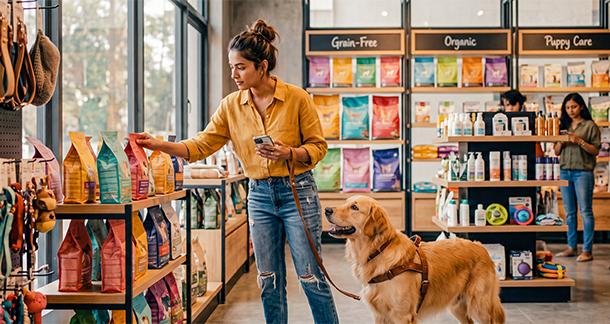
● Improve access to quality pet care across India: Pet ownership grows when support systems grow alongside it. Expanding access to veterinarians, preventive healthcare, scientifically formulated nutrition, training services and reliable retail channels, particularly beyond metro cities, helps families feel equipped to care for pets throughout their lives.
● Build trust through science-based regulation and quality standards: A modern, science-based regulatory framework can strengthen consumer confidence by ensuring pet food is safe, nutritionally complete and manufactured to consistent quality standards. Clear regulations also create an enabling environment for responsible innovation, investment and wider adoption of quality pet nutrition.
Pet consumers Insights: Pet ProductConsumers in the ContemporaryEra
The Indian pet care consumer has evolved significantly over the past decade. Today’s pet parent is informed, connected and increasingly focused on making choices that support their pet’s long-term health and well-being.
● Pets are increasingly viewed as family members: Today’s consumers are moving beyond seeing pets as companions; they are integral members of the family. This shift influences purchasing decisions across nutrition, healthcare, accessories and experiences, with pet parents seeking products they trust and believe are best for their pets. As per the Mars X Calm survey, pets are the most preferred companions in times of stress: 57% prefer spending time with their pet when stressed, more than with their partner (37%), family (44%), or friends (38%).
● Health and nutrition have become primary purchase drivers: Modern pet parents are paying greater attention to preventive health. They are actively looking for complete and balanced nutrition, age-appropriate diets and products backed by scientific research. As awareness increases, purchasing decisions are becoming more informed and health-led rather than purely price-led.
● Convenience is becoming as important as quality: Busy lifestyles have increased demand for convenient shopping experiences, subscription services, quick commerce, easy-to-feed formats and products that fit seamlessly into everyday routines. Consumers expect premium experiences not only in products but also in accessibility and service.
● Consumers increasingly expect brands to have purpose: Beyond product performance, today’s consumers are looking at what companies stand for. They value brands that contribute to responsible pet ownership, support animal welfare, promote sustainability and invest in education. Trust is increasingly built through meaningful actions that create positive outcomes for pets, pet parents and society.
● Transparency is becoming a key purchase driver: Today’s consumers expect clear labelling, evidence-based product claims and easy-to-understand nutritional information that helps them compare products and make informed choices. As the market matures, greater transparency, supported by science-based standards and responsible communication, will be critical to building long-term consumer trust.
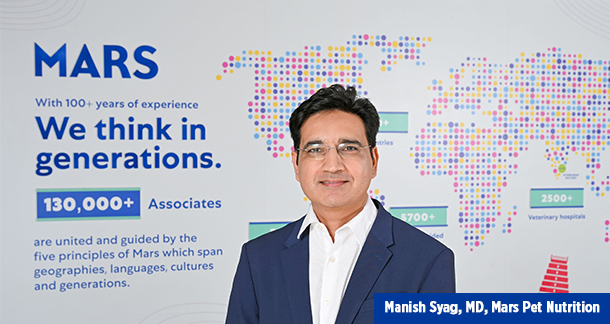
By Manish Syag, MD, Mars Pet Nutrition