

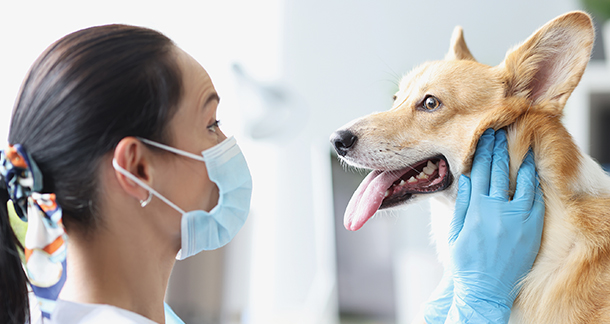
Q1. How often should pet parents take their pets to a veterinarian for a check-up? Does this factor vary by breed and size?
🐾 Answer: Pets should have a veterinary check-up at least once a year, but the frequency can vary based on age, breed, and size.
- Puppies & Kittens – Every 3-4 weeks until they complete vaccinations.
- Adult Pets (1-7 years) – Once or twice a year for routine check-ups.
- Senior Pets (7+ years) – Every 6 months to monitor age-related conditions.
- Breed & Size Factor – Large breed dogs may develop joint or heart issues earlier, requiring more frequent visits than smaller breeds.
Q2. What are the major areas that need to be examined?
🔍 Key Areas of Examination:
✅ Weight & Nutrition – Obesity or malnourishment signs.
✅ Teeth & Oral Health – Dental issues like tartar buildup, gum disease.
✅ Skin & Coat – Allergies, infections, or parasites.
✅ Ears & Eyes – Redness, infections, or vision issues.
✅ Heart & Lungs – Detecting early signs of heart disease or respiratory issues.
✅ Joints & Mobility – Early arthritis, hip dysplasia, or mobility challenges.
✅ Blood Tests & Vaccinations – Ensuring disease prevention and overall organ health.
Q3. For preventive healthcare, what should pet parents keep in mind?
🛡️ Preventive Care Checklist:
✔ Annual vet visits for early disease detection.
✔ Regular vaccinations & deworming to prevent infections.
✔ Parasite control (flea, tick, heartworm prevention).
✔ Balanced diet & weight management to avoid obesity.
✔ Daily dental care (brushing, dental chews).
✔ Mental stimulation & exercise to prevent behavioral issues.
🥗 Best Advice: Provide a Balanced Diet
- Fresh, species-appropriate food that matches your pet’s breed, age, and size.
- Avoid highly processed or artificial ingredients that may contribute to long-term health issues.
- Incorporate fresh proteins, healthy fats, and essential vitamins for optimal nutrition.
- Consult a vet for customized diet plans based on your pet’s health and lifestyle needs.
Q4. Why is preventive healthcare necessary? Since preventive healthcare is not prevalent in India, how do you educate pet parents on its importance?
💡 Importance of Preventive Healthcare:
- Prevents chronic diseases (diabetes, heart disease, kidney issues).
- Reduces emergency medical expenses with early detection.
- Increases lifespan and improves the quality of life.
- Ensures better behavioural health by managing stress & anxiety.
Q5. Are supplements part of preventive healthcare? If yes, what are the must-have supplements?
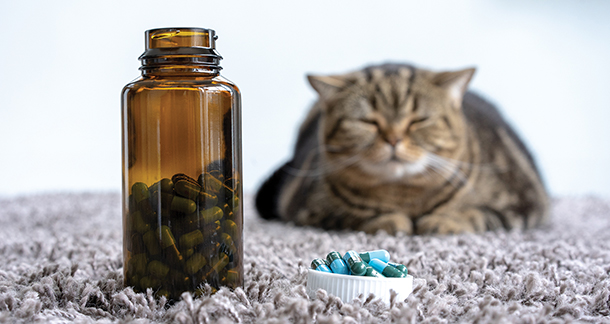
💊 Yes, supplements play a crucial role in preventive healthcare!
🐶 Essential Supplements for Dogs & Cats:
✔ Multivitamins – Overall health & immunity.
✔ Omega 3 & 6 – Skin, coat health, and joint care.
✔ Glucosamine & Chondroitin – Joint and cartilage health, especially for large breeds & seniors.
✔ Probiotics – Gut health & digestion.
✔ Calcium & Vitamin D – Bone strength and muscle function.
✔ Taurine (for cats) – Essential for heart and vision health.
👉 Pro Tip: Always consult a veterinarian before starting any supplements!
Author
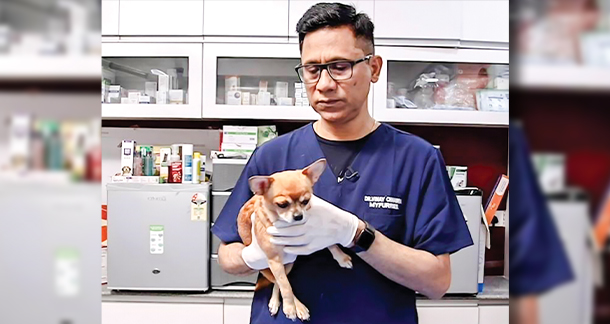
Dr. Vinay Chabbra – Veterinarian and Co-founder Myfurries.com