
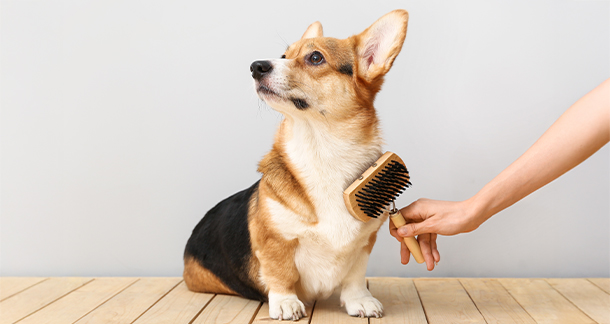
As the seasons change, so do the grooming needs of our pets. Temperature fluctuations, humidity levels, and environmental factors can all affect your pet’s coat, skin, and overall comfort. Whether you have a long-haired dog, a short-coated cat, or a double-coated breed, each season brings its own set of grooming challenges. Understanding these seasonal changes can help pet parents stay proactive and keep their pets looking and feeling their best all year long.
- Spring: The Shedding Season Begins
Spring is a time of renewal , not just for nature, but for your pet’s coat as well. As temperatures rise, many pets begin to shed their thick winter coats to prepare for warmer weather. This is especially true for double-coated breeds such as Golden Retrievers, Huskies, and German Shepherds.
The Challenge: Excessive shedding can lead to matting, tangles, and fur accumulation around the house. Allergies may also spike due to increased pollen and dander.
The Solution: Regular brushing , at least three to four times a week helps remove dead hair and distribute natural oils, promoting a healthier coat. Using a de-shedding tool or grooming rake can significantly reduce loose fur. It’s also a good time for a professional grooming session to remove undercoats and deep tangles. Bathing with a mild, moisturizing shampoo can help manage dander and keep skin hydrated.
- Summer: Heat, Humidity, and Skin Issues
Summer brings heat, humidity, and the risk of skin infections, ticks, and fleas. Pets can become uncomfortable, especially those with thick coats or sensitive skin. Overheating and sunburn are also concerns for light-colored or short-haired pets.
The Challenge: Managing your pet’s comfort without over-trimming their coat. A common mistake is shaving breeds with double coats, which actually disrupts their natural temperature regulation and exposes them to UV rays.
The Solution: Opt for a trim rather than a full shave. Keep your pet’s coat clean and free of mats, as mats trap heat and moisture. Regular baths with cooling, anti-parasitic shampoos can help prevent flea infestations. Always dry your pet completely after a bath or swim to prevent fungal infections. Wiping paws and bellies after outdoor walks helps remove allergens and prevent irritation.

- Autumn: Preparing for the Cold
As the weather cools, your pet’s coat begins to thicken in preparation for winter. This transitional period can bring another wave of shedding, though typically less intense than in spring.
The Challenge: Managing loose fur while supporting coat health for the colder months ahead. The combination of mild shedding and increased indoor heating can lead to dry skin and dandruff.
The Solution: Continue regular brushing to stimulate oil glands and keep the coat glossy. A diet rich in omega-3 fatty acids can help maintain healthy skin and coat. Since pets tend to spend more time outdoors during pleasant autumn weather, check for burrs, seeds, and external parasites after walks.
- Winter: Dryness and Matting Concerns
Winter brings dry air, low humidity, and often, increased indoor heating , all of which can dehydrate your pet’s skin. Breeds with longer coats may develop mats if not groomed regularly, especially around the neck, belly, and tail where friction is common.
The Challenge: Preventing dryness and matting while keeping pets warm and comfortable.
The Solution: Use a humidifier indoors to balance air moisture. Choose moisturizing or oatmeal-based shampoos for baths, but reduce the frequency to avoid stripping natural oils. Regular brushing remains essential to prevent mats, especially after outdoor walks in damp or snowy conditions. For short-haired breeds, consider using pet-safe balms on paws and noses to prevent cracking from cold exposure.
Conclusion
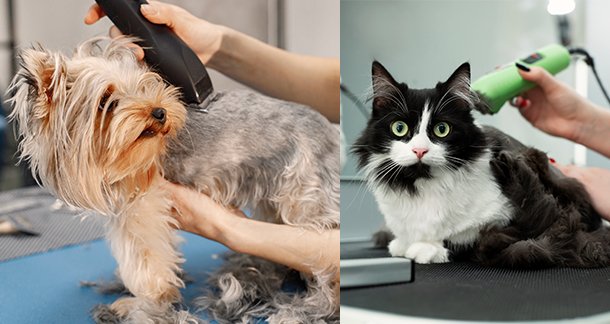
Each season brings unique grooming demands that affect your pet’s skin, coat, and comfort. The key to effective year-round grooming lies in observation and adaptability , noticing shedding patterns, coat texture changes, or signs of discomfort. Regular brushing, appropriate bathing routines, seasonal diet adjustments, and professional grooming support go a long way in ensuring your furry friend stays healthy and happy throughout the year. After all, grooming is not just about appearance , it’s an essential part of your pet’s overall well-being.
About Author
By Sonechka Mishra