
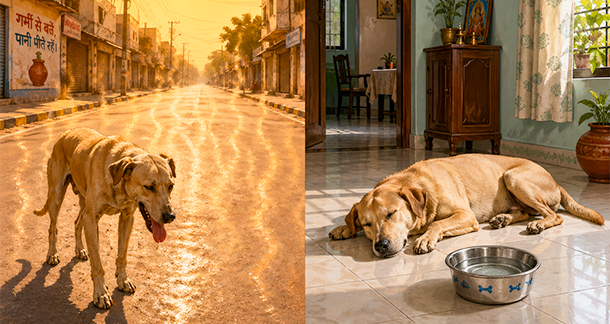
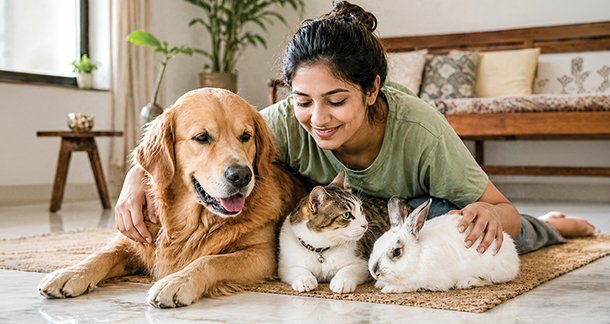
As the Indian subcontinent moves from the pleasant breeze of spring into the unremitting intensity of summer, the mercury frequently climbs above 40°C. For us, summer means air conditioning and cold beverages. For our pets—specifically dogs, cats, and rabbits—the season signifies a major physiological challenge. Unlike humans, these animals lack sweat glands across their skin; they rely on panting and heat exchange through their paw pads to regulate their temperature.
When the environment becomes a “tandoor,” our pets are at risk of dehydration, paw burns, and the life-threatening condition of heatstroke. Preparing your home and your pet’s routine is not only about comfort; it is about staying alive.
- Preparing the Home Sanctuary
The first line of defense against the Indian summer is a temperature-controlled environment.
Optimized Cooling Zones
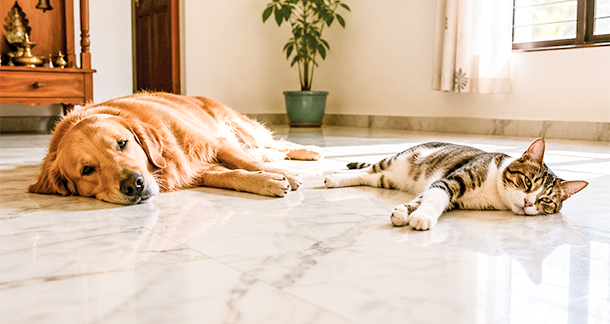
- The “Cool Tile” Strategy: Most Indian homes have marble or vitrified tile flooring. Ensure these areas are kept clear of heavy carpets or rugs during the day. Pets will naturally gravitate toward these cold surfaces to conduct heat away from their bodies.
- Strategic Ventilation: While it is tempting to keep all windows open, the Indian “Loo” (hot summer wind) can actually increase indoor temperatures. Keep windows and heavy curtains closed during the peak hours of 11:00 AM to 5:00 PM to trap cool air inside.
- Micro-Climates: If you do not have 24/7 air conditioning, use high-speed pedestal fans at floor level rather than just ceiling fans. Since heat rises, the air at the level where your pet sleeps is often the warmest.
Drinking Stations
Standard water bowls are insufficient in May and June.
- Multiple Sources: Place water bowls in every room where the pet spends time.
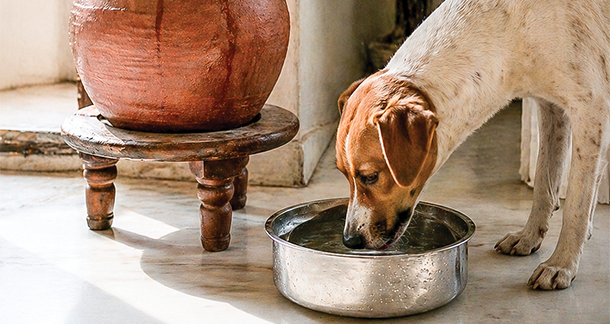
- The Clay Pot Advantage: Using traditional Indian earthen pots (matkas) to store and serve water keeps it naturally cool without the “brain freeze” effect of ice cubes, which can sometimes cause throat irritation in sensitive pets.
- Water Hygiene: Bacterial growth accelerates in heat. Change the water at least three to four times a day to prevent slime buildup and mosquito breeding.
- Species-Specific Summer Protocols
Dogs: The High-Energy Challenge
Dogs are most susceptible to heatstroke because they are often the most active outdoors.
- Exercise Redistribution: Shift walks to “Golden Hours”—before 6:30 AM and after 7:30 PM. If the pavement is too hot for the back of your hand (the 5-second rule), it is too hot for your dog’s paws.
- Grooming Myths: Never shave a double-coated dog (like a Golden Retriever or a GSD). Their coat acts as insulation against heat, much like a thermos. However, regular deshedding to remove the “undercoat” is essential to allow skin to breathe.
- The “Wet Towel” Technique: If your dog seems restless, avoid pouring ice-cold water on them, as this can cause blood vessels to constrict and actually trap heat. Instead, place a damp, room-temperature towel on their groin and armpits.
Cats: The Subtle Overheaters
Cats are masters of hiding distress, making summer care for them a game of observation.
- Grooming Assistance: Cats groom themselves more in summer to use saliva evaporation for cooling. Help them by brushing daily to prevent hairballs, which are more common during the heavy shedding season.
- Hidden Retreats: Cats often seek out sinks, bathtubs, or the dark corners of cupboards. Ensure these areas are accessible and safe.
- Wet Food Pivot: Cats have a low thirst drive. Incorporating wet food or adding a little water to their kibble ensures they stay hydrated even if they aren’t visiting the water bowl frequently.
Rabbits: The Fragile Herbivores
Rabbits are arguably the most heat-sensitive of common household pets. Temperatures above 28°C can be fatal.
- Frozen Bottle Hack: Place a frozen plastic water bottle wrapped in a thin sock inside their enclosure. The rabbit will lean against it to cool down.
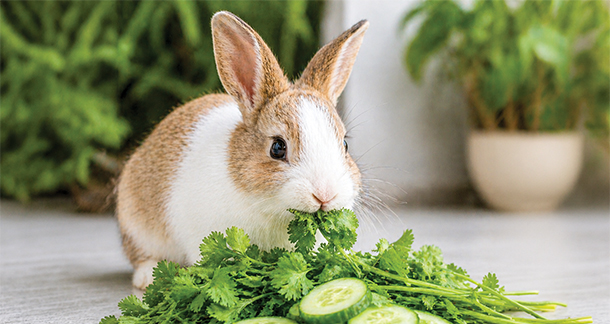
- Fresh Greens: Increase intake of high-moisture leafy greens, such as cucumber (in moderation) and coriander. Ensure greens are washed in cool water and served slightly damp.
- Ear Monitoring: A rabbit’s ears are its primary cooling towers. If the ears feel exceptionally hot to the touch, the rabbit is likely overheating. Gently misting the ears with water can help, but do not submerge the rabbit in water, as the shock can be fatal.
- Summer Nutrition and Immunity
The Indian summer often leads to a “seasonal anorexia” where pets eat less. This is normal, as digestion generates internal heat.
- Light Meals: Feed smaller portions more frequently. Early morning and late night are the best times for “heavy” meals.
- Probiotics: Heat stresses the gut. Adding a spoonful of fresh, unsweetened curd (Dahi) to their meals can provide necessary probiotics and a cooling effect.
- Hydration Boosters: For dogs and cats, consider offering “pet-safe” buttermilk or coconut water (in small quantities) as a natural electrolyte replacement. Do not use any products with added sugar or xylitol.
- Parasite Prevention
Summer in India is peak season for ticks, fleas, and heartworm-carrying mosquitoes.
- The Tick Menace: Ticks thrive in the heat and can transmit Tick Fever (Ehrlichiosis), which is rampant in Indian cities. Ensure your pet is on a vet-approved spot-on treatment, tablet, or collar.
- Environment Spraying: Ticks don’t just live on the pet; they live in the cracks of your walls and garden soil. Ensure your home is deep-cleaned and treated with pet-safe insecticides if you spot even a single tick.
- Identifying an Emergency: Heatstroke
As a veterinarian, the most common summer emergency I see is heatstroke. You must act within minutes.
Warning Signs:
- Excessive, frantic panting and drooling.
- Bright red or purple gums.
- Lethargy, stumbling, or “glassy” eyes.
- Vomiting or diarrhea.
Immediate First Aid:
- Move the pet to a shaded, AC-cooled area immediately.
- Use room-temperature water (not ice water) to wet their fur.
- Direct a fan toward them.
- Do not force-feed water if they are semi-conscious, as they may aspirate it into their lungs.
- Get to a veterinary clinic immediately, even if they seem to be recovering. Internal organ damage can occur silently.
Conclusion
Preparing for an Indian summer calls for a proactive mindset. By modifying your home environment, adjusting walk times, and being mindful of hydration and parasites, you can ensure your pets remain healthy and happy.
At MyFurries.com, our mission is to empower pet parents with the right knowledge. Summer shouldn’t be a season of stress; with proper preparation, it can be a season of safe, indoor bonding. Stay cool, stay hydrated, and keep those paws off the hot pavement!
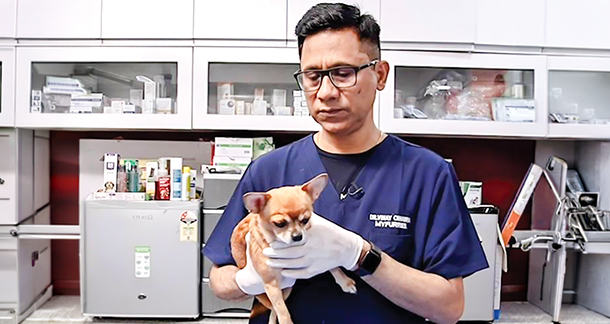
By Dr. Vinay Chhabra, Chief Veterinary Officer, MyFurries.com