
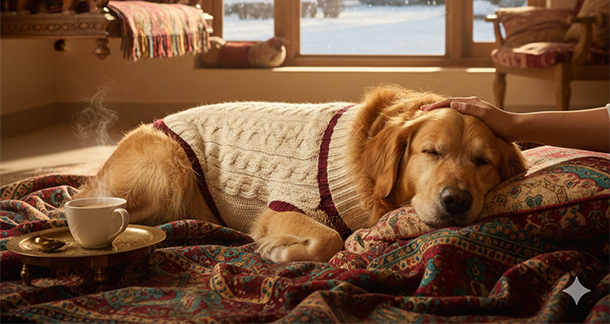
With temperatures dropping to below zero celsius in many places, our furry friends also need additional warmth in order to be comfortable. The cold season brings with it a plethora of infections and extreme winters that can often prove fatal to them. Many a times, underlying conditions such as arthritis, respiratory issues, and obesity are often aggravated during this time. Listed below are suggestions which pet owners can follow to improve their furry companion’s life during this period:
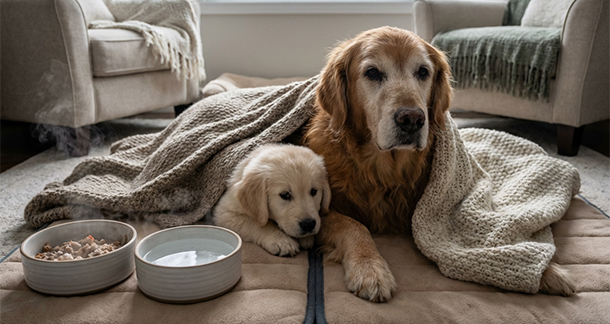
- The ones requiring maximum attention are aged pets and very young ones – whose thermoregulatory systems are not yet During this time, they can be provided with warm water and warm food, along with which – meal frequency can be increased within limits. During this time, their calorie intake should be modified based on the recommendations provided by your veterinarian. Stock up on supplies such as food, water, and pet meds in case of emergencies.
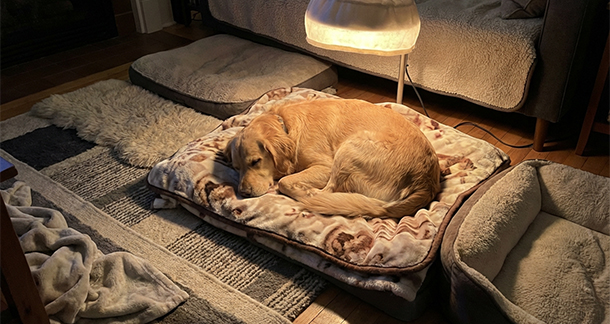
- A heating blanket or warm light source can also be However, ensure that the heat source is not too hot, else it could lead to burns or result in a fire. The heat source should be kept secure, and not have any open wires or points of contact which could injure the pet. Always check the temperature of your pet , the ambient temperature, and watch for signs of discomfort or stress related behaviour. Extra mats and pet blankets can also be provided. The mats also prevent them from slipping on the floor, thereby reducing the impact on the joints and minimizing damage in case of already existing conditions like Hip dysplasia.

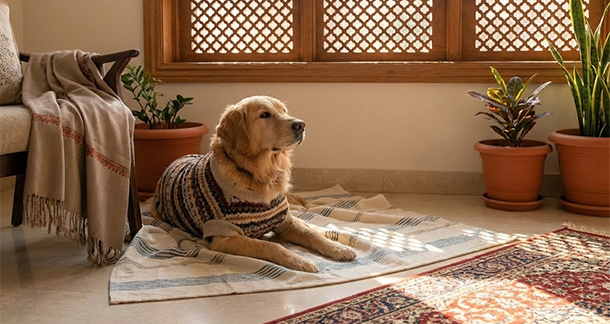
- They can be walked during warmer parts of the day or if the owner’s home permits it indoors itself to prevent them from becoming obese during this period. When taking them out for walks, pets can be equipped with paw booties and jackets/sweaters designed for After walking them, check to see if there is any ice present in between their digits if they have not worn booties and dry this with a warm wet cloth. Don’t use any products which may lead to drying and cracking of their skin. To prevent hypothermia, especially in susceptible lean breeds like hounds – their contact with snow needs to be limited. They can have access to additional toys and games indoors to prevent them from getting bored and gaining excess weight.
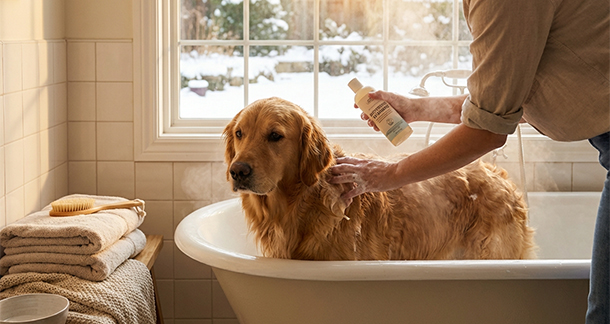
- Frequency of bathing should be reduced and limited to once in two weeks, unless the pet has underlying skin issues needing frequent baths. Bathing should be done during the warmer periods and animals can be washed with a moisturizing shampoo. While some amount of shedding is expected throughout the year, look for signs of dry skin flakes which could indicate the initial signs of dandruff.
- During this period, as pets are indoors most of the time, ensure they do not have access to toxic substances like antifreeze or de-icing agents. There are some toxic plants which thrive only during the cold season and the owner must take care to ensure they are aware of such plants when taking their pet for a walk. Ensure your pet’s information is up-to date on their collars and your veterinarian should be notified of any change in their

- In case of outdoor animals, check any water bowls outside and break the ice if Always check your car before starting it, as often animals hide directly underneath the engine where its warmer. If outdoor animals cannot be brought inside temporarily, they can at least be provided with blankets and a safe secure space away from the elements. Hay and straw can also be provided.
Animals can have a very memorable experience during the winter season without falling sick if the above tips are kept in mind!
Dr. Charlotte Rodricks*
* Assistant Professor, Parikrama Veterinary Science College, Kashti, Daund, Ahmednagar, Maharashtra 414701, Email: drcharlotterodricks@gmail.com