

Have you ever wondered why your cat seems drawn to a particularly smelly sock, fixated on sniffing every corner of the house, spends an eternity sniffing seemingly empty air? The truth is, their adorable pink button noses hold a superpower. In the world of feline fascination, the nose reigns supreme as the unsung hero of their sensory arsenal. Much like their human counterparts, cats rely heavily on their olfactory prowess to navigate the world around them.
A Nose Built to Smell:
Unlike our flat human sniffers, five-million odor-receptor-equipped noses, a cat’s nose is a labyrinth of intricate folds called turbinates. These bony structures maximize surface area, housing a whopping 200 million odor-detecting cells – that’s fourteen times more than us! This translates to a mind-blowing ability to smell – imagine a world bursting with aromas we can’t even perceive.
The Food Connection:
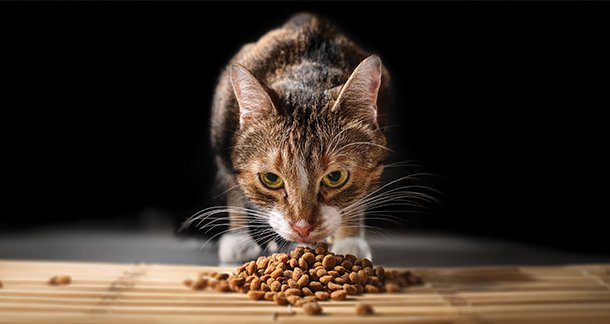
For cats, smell isn’t just about detection; it’s a gourmet’s delight. Their noses act like biochem labs, analyzing not just freshness and palatability of food but also the specific ingredients in their food. The aroma of a delicious meal is like a siren song to a feline. Think of it as a built-in food critic, ensuring every meal is a symphony of enticing aromas. This sharp sense helps them avoid spoiled food and find meals that cater to their individual preferences.
Here’s the scoop on why your cat’s nose is the ultimate dinner date decider:
- Super Sniffers:Their noses boast a labyrinthine network of scent receptors, translating fleeting whiffs into a symphony of smells.
- Taste Bud Blues:Cats have fewer taste buds than us, limiting their ability to detect flavors on the tongue. This is where the super sniffer comes in! Smell acts like a preview, enticing them with promises of protein-packed goodness or steering them clear of unappetizing options.
- Freshness Fanatics:A stale bowl? No way! A cat’s nose is finely tuned to detect freshness. Think of it as their built-in “sniff-by” date. Food that’s past its prime gives off weaker aromas, failing to pique their interest and potentially signaling spoilage.
- Feline Pheromones:Food isn’t just about fuel; it’s about information too. Scents from other animals can be detected by your cat, influencing their food choices. For instance, the aroma of prey might trigger their inner hunter, making them crave a protein-rich meal.
A World of Scents:
But food isn’t the only thing captivating a cat’s nose. Feline friends use their incredible sense of smell to:
- Navigate their environment:Scents act like a map, guiding them around familiar territory and helping them identify new objects or potential dangers.
- Communicate with each other:Cats leave scent messages through facial rubbing and urine spraying. These messages convey information about territory, social status, and even mood.
- Identify emotions:Studies suggest cats can pick up on human emotions through scent. A stressed owner might emit subtle pheromones that a cat can detect.
Respecting the Super Sniffer:
Understanding your cat’s super sniffer can help you create a happier and healthier feline companion. Here are some tips:
- Food Variety:Rotate your cat’s food occasionally to keep mealtimes exciting.
- Enrichment Through Scent:Scatter catnip around the house or hide treats for them to “hunt” using their nose.
- Avoid Harsh Scents:Strong-smelling cleaning products or air fresheners can be overwhelming for a cat’s sensitive nose. Opt for fragrance-free alternatives.
So, the next time you see your cat captivated by an invisible scent, remember, they’re experiencing the world in a way we never could. Their powerful noses are a gateway to a fascinating olfactory universe, and by understanding it, we can strengthen the bond with our furry companions. After all, who wouldn’t want to speak the secret language of sniffs?