
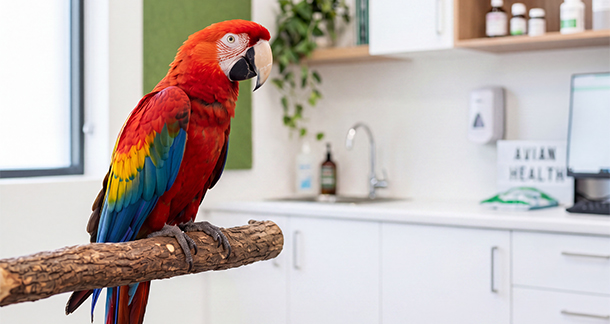
Birds have a reputation as low-maintenance pets, but that reputation is misleading and, in many cases, dangerous. Unlike dogs and cats, birds are prey animals by instinct, which means they’re biologically wired to hide pain, weakness, or illness until a condition is advanced. A bird that looks perfectly fine on Monday can be critically ill by Friday, simply because it never showed obvious symptoms until its body could no longer compensate. This single fact is why veterinary care for birds deserves far more attention than most owners give it.
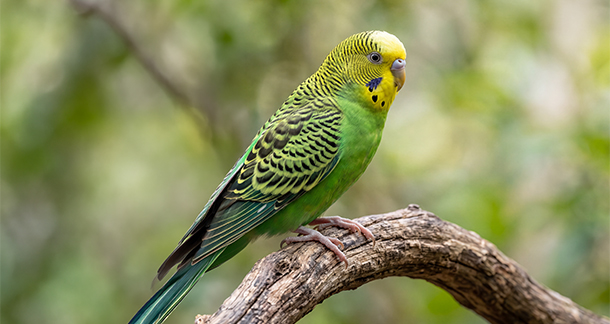
The level of care a pet bird needs depends on the species, but a few things hold true across the board. Birds require species-appropriate diets (pellets supplemented with fresh vegetables, not just seed mixes, which are often nutritionally incomplete), proper cage size and enrichment to prevent boredom-driven behaviors like feather plucking, stable temperature and humidity, and protection from household hazards such as nonstick cookware fumes, which are lethal to birds even in small doses. Mental stimulation matters as much as physical health; parrots and other intelligent species can develop anxiety, aggression, or self-mutilating behaviors when understimulated, and these psychological issues often show up as physical symptoms a vet needs to evaluate.
Common health concerns in pet birds include respiratory infections, which can be triggered by poor air quality or fumes; nutritional deficiencies, especially calcium and vitamin A shortages from seed-only diets; feather and skin disorders, including psittacine beak and feather disease, a serious viral condition; egg-binding in female birds, which can become an emergency within hours; and beak or nail overgrowth that needs professional trimming to avoid injury. Internal parasites and fungal infections, such as aspergillosis, are also relatively common and can be difficult to detect without bloodwork or imaging because birds mask illness so effectively.
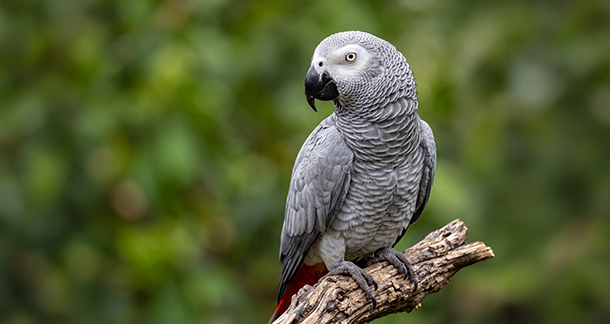
Because of this masking instinct, routine veterinary visits matter more for birds than for many other pets. Most avian veterinarians recommend at least one wellness exam per year for healthy adult birds, and twice-yearly visits for older birds, those with chronic conditions, or species known to be more fragile. New birds should always be examined shortly after adoption or purchase, both to catch any existing issues early and to screen for diseases that could spread to other birds in the household. Annual visits typically include a physical exam, weight tracking, fecal testing for parasites, and sometimes bloodwork to catch internal problems before they become visible externally. The importance of an avian-specialized veterinarian cannot be overstated. Bird physiology is dramatically different from that of mammals, with different organ placement, metabolic rates, and drug sensitivities, meaning a general small-animal vet may not be equipped to diagnose or treat avian-specific conditions. Finding a vet with genuine avian or exotic animal training is one of the most important decisions a bird owner will make, ideally before an emergency happens rather than during one.
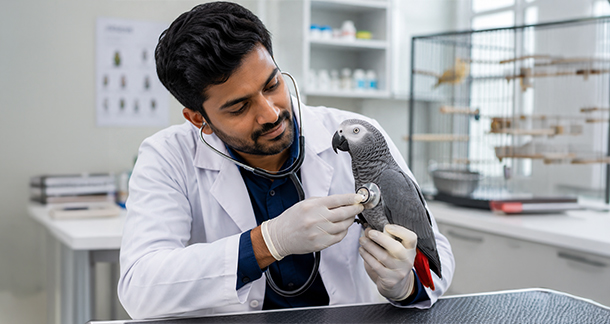
Ultimately, the quiet, stoic nature that makes birds seem easy to care for is exactly what makes consistent veterinary oversight so essential. Subtle changes, a slightly fluffed appearance, a change in droppings, decreased vocalization, or a few extra minutes of sleep, can be the only outward sign of a serious problem. Owners who treat annual or biannual checkups as nonnegotiable, rather than optional, give their birds the best chance at long, healthy lives. In birds, prevention and early detection aren’t just helpful; they’re often the difference between a manageable issue and a medical emergency.
By ASA Agrotech