
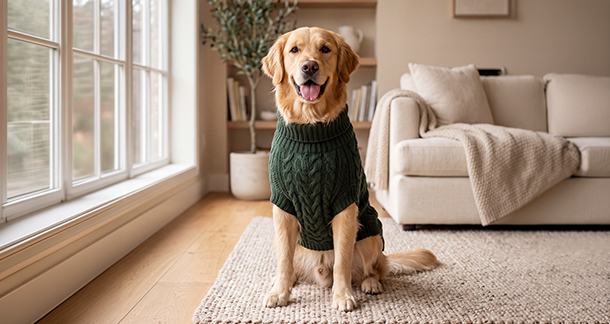
When winter arrives, most pet parents focus on keeping their dogs warm. We often see dogs wearing jackets, sweaters and other winter accessories. But as a professional pet groomer, I feel there is something equally important that deserves attention: the dog’s paws, skin and ears.
Grooming is not just about maintaining a beautiful haircut or making a dog look presentable. It is about maintaining hygiene, comfort and healthy coat conditions throughout the year. Winter brings changes in temperature, humidity and daily routines, and these changes can affect a dog’s skin and coat in several ways.
Here are some important grooming practices every pet parent should follow during winter.
- Paw Care: Don’t Forget the Feet!
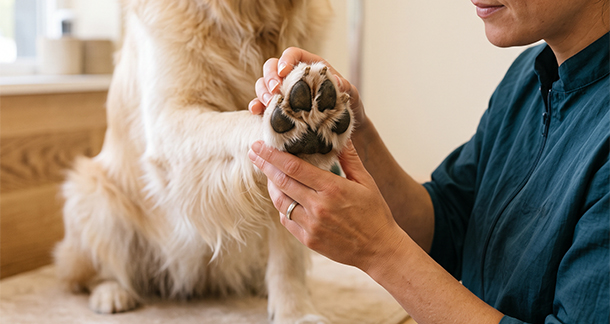
Paws are in constant contact with the ground, yet they are often the most neglected part of a dog’s grooming routine.
Cold weather, rough surfaces and dry indoor environments can cause paw pads to become dry and rough. Dogs may start licking or chewing their paws because of irritation.
What should pet parents do?
- Check paw pads regularly for cracks, redness, dryness or irritation.
- After every outdoor walk, wipe the paws with a damp cloth and dry them properly, especially between the toes.
- Keep excess hair between the paw pads trimmed. Long hair can collect dirt, moisture and debris, making walking uncomfortable.
- Use a pet-safe paw balm when required to help protect dry pads.
- Check between the toes for small stones, dirt or foreign objects.
A useful grooming tip is to keep the hair underneath the feet neat, but never trim too close to the skin. The aim is to maintain cleanliness and grip, not just achieve a neat appearance.
- Skin and Coat: Winter Is Not a Reason to Stop Grooming
One common misconception among pet parents is that dogs should not be bathed during winter. In reality, dogs still need regular bathing and brushing. What changes is the grooming routine and the products we choose.
Cold weather, low humidity and indoor heating can contribute to dry skin. Some dogs may develop flakes, itching or a dull-looking coat.
What should pet parents do?
- Use a mild, good-quality shampoo specifically formulated for dogs.
- Choose a conditioner according to your dog’s coat type and skin condition.
- Always use lukewarm water instead of hot water.
- Rinse thoroughly to ensure no shampoo or conditioner remains on the skin.
- Dry the coat completely after bathing. Pay special attention to the belly, armpits, paws, skin folds and areas behind the ears.
- Avoid frequent unnecessary bathing, but do not stop bathing altogether.
One important point I always explain to pet parents is that a dog’s coat must be dried completely. In dense and double-coated breeds, moisture trapped close to the skin can contribute to skin irritation and other problems.
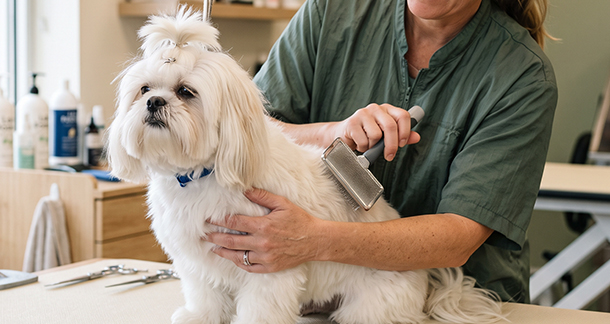
Brushing is equally important. Use the correct brush for your dog’s coat and follow it with a metal comb to check for hidden tangles. Areas behind the ears, under the legs, around the collar and near the tail are common places for mats to develop.
- Ear Hygiene: Small Details Matter
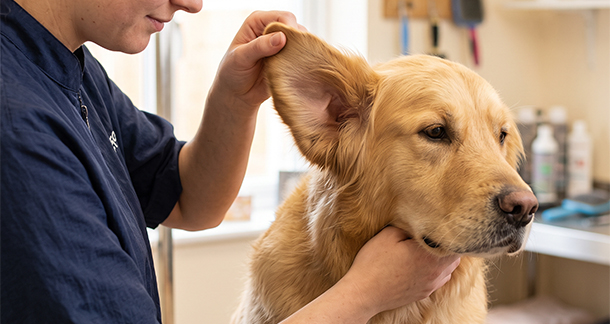
Ear care is an essential part of professional grooming, especially for breeds with floppy ears or heavy hair around the ears.
Moisture, wax and debris can accumulate inside the ears. If ignored, these conditions may contribute to discomfort and ear infections.
What should pet parents do?
- Check the visible part of the ears at least once a week.
- Look for unusual redness, excessive wax, discharge or unpleasant smell.
- Clean only when necessary using a suitable dog-specific ear-cleaning solution.
- Never insert cotton buds or sharp grooming tools into the ear canal.
- Keep the outer ear area clean and dry after bathing.
If your dog repeatedly shakes its head, scratches its ears or shows signs of pain, consult a veterinarian. Ear infections need proper veterinary diagnosis and treatment. Cleaning alone will not solve the problem.
- Breed-Specific Grooming: One Routine Does Not Suit Every Dog
Every breed has a different coat structure, and grooming should be planned accordingly.
Poodles and Bichon Frises:
These breeds have coats that are prone to tangling and matting. Regular brushing, combing and professional coat maintenance are essential.
Shih Tzu’s:
Pay attention to facial hygiene, especially around the eyes, and keep the coat clean and tangle-free.
Golden Retrievers and German Shepherds:
These double-coated breeds need regular removal of loose undercoat. Avoid shaving their coats simply to manage shedding.
Cocker Spaniels:
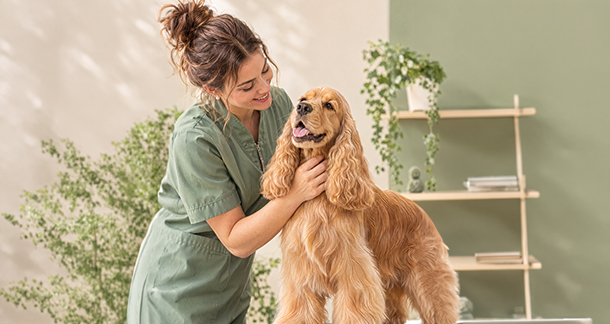
Their long, feathered coats and floppy ears require regular attention to prevent tangles and maintain ear hygiene.
Pet parents should understand that growing a dog’s coat longer does not automatically make it healthier. A well-maintained coat is much more important than coat length.
- Winter Grooming Mistakes to Avoid
There are a few mistakes I frequently notice during grooming consultations:
- Skipping brushing because the dog is wearing winter clothes.
- Leaving a dog partially wet after a bath.
- Allowing sweaters and jackets to remain damp or dirty.
- Ignoring mats hidden underneath a long coat.
- Using human shampoo or random household products on dogs.
- Shaving double-coated breeds without a specific professional or veterinary reason.
- Ignoring repeated paw licking, scratching or ear discomfort.
Also, pet parents should regularly remove their dog’s jacket and check the coat underneath. Friction, trapped moisture and tangles can develop in areas where clothing rubs against the body.
A Groomer’s Final Advice
My advice to every pet parent is simple: do not wait until your dog develops a skin problem, severe matting or an ear infection before paying attention to grooming.
Make paw checks, regular brushing, ear inspections and proper bathing part of your dog’s routine. Schedule professional grooming according to your dog’s breed, coat type and individual needs.
As groomers, our responsibility goes beyond giving dogs beautiful haircuts. We also have an important role in educating pet parents about everyday care and helping them recognise when something does not look right.
This winter, look beyond the coat.
Healthy paws help your dog walk comfortably, healthy skin supports a healthy coat, and clean ears contribute to everyday comfort.
Because good grooming is not just about how your dog looks when leaving the salon. It is about how comfortably and happily your dog lives every day.
About the Author
By Yashwini Shetty | Professional Pet Groomer & Grooming Educator | Founder, Pet Grooming Tales (Academy & Salon)